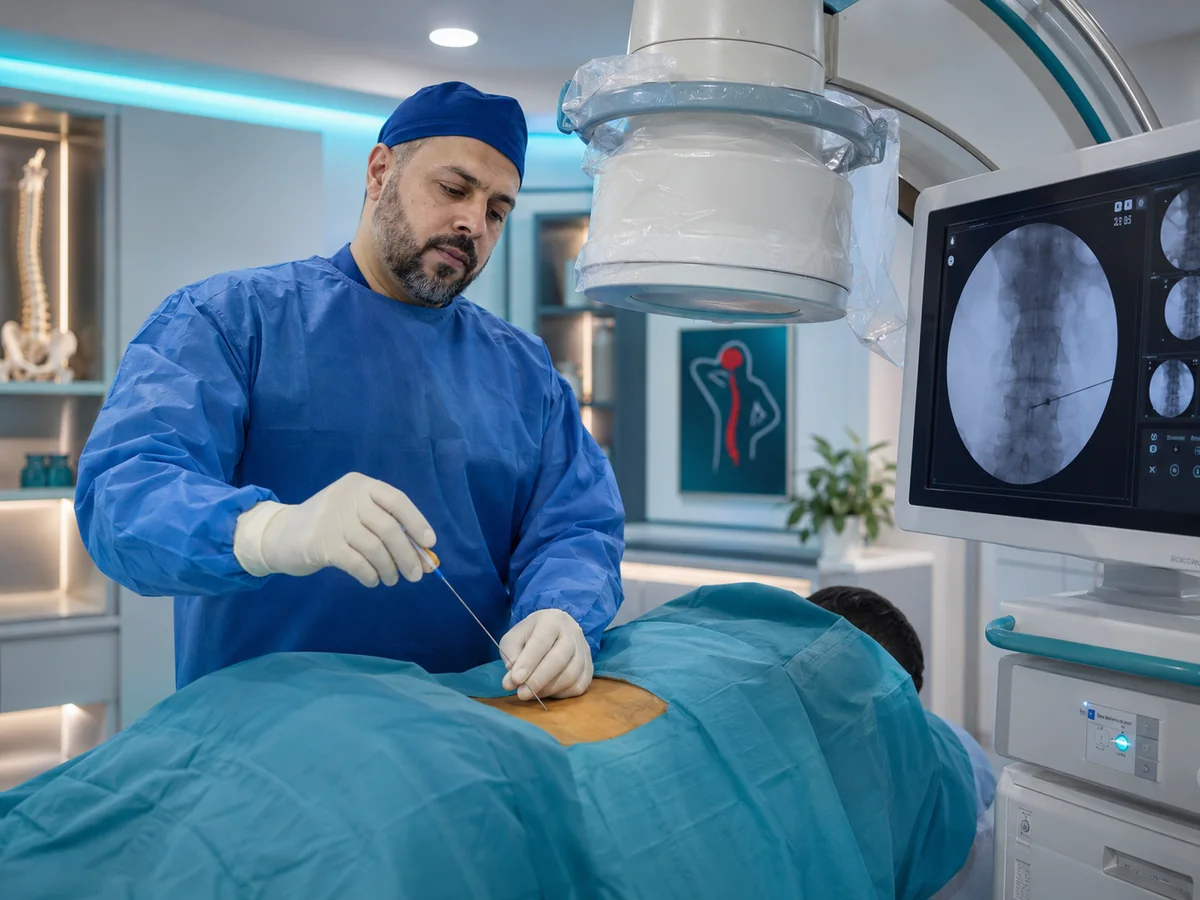
Pain management without surgery
Guided injections and radiofrequency for back, neck and joint pain.
DetailsDiagnosis and treatment of back and neck pain, herniated discs, sciatica, and brain and nerve conditions by a professor of neurosurgery. Treatment starts without surgery whenever that suits your case, with endoscopic and minimally invasive surgery when it is needed.
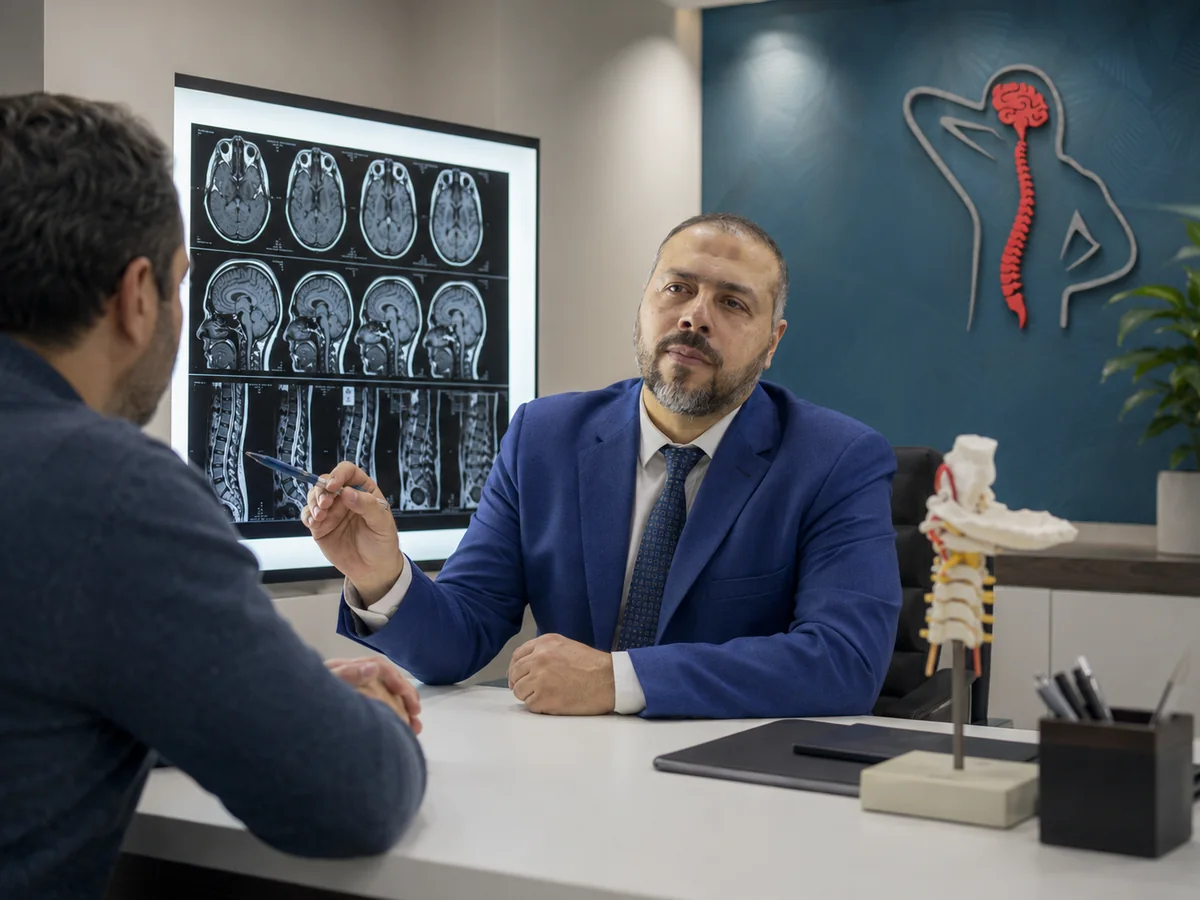
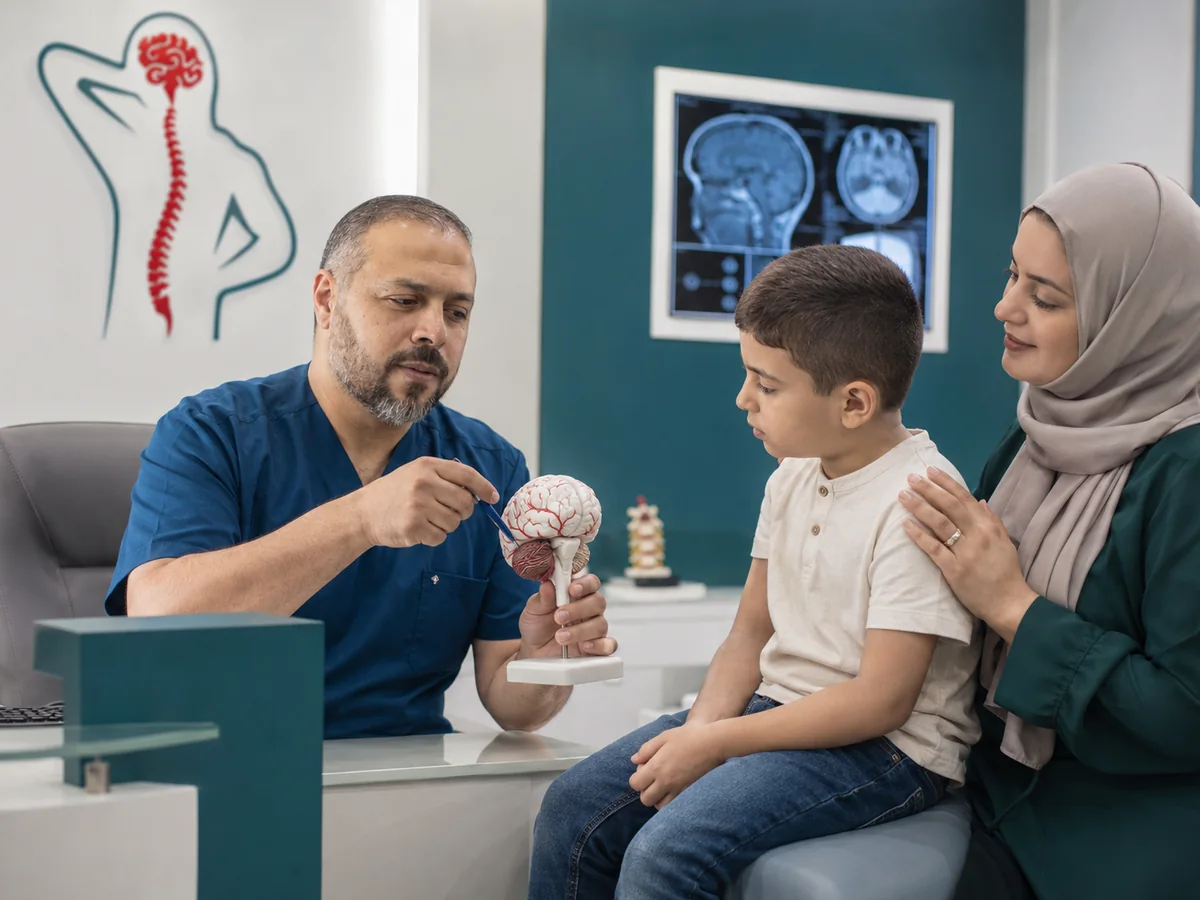
Most patients start looking for a brain and spine doctor when back pain begins to travel down the leg, the hand goes numb, or an MRI shows a disc problem or a mass in the brain. At that point you need a doctor who links your symptoms to a neurological examination and to the images, then chooses the right treatment for you among medication, guided injections and surgery.
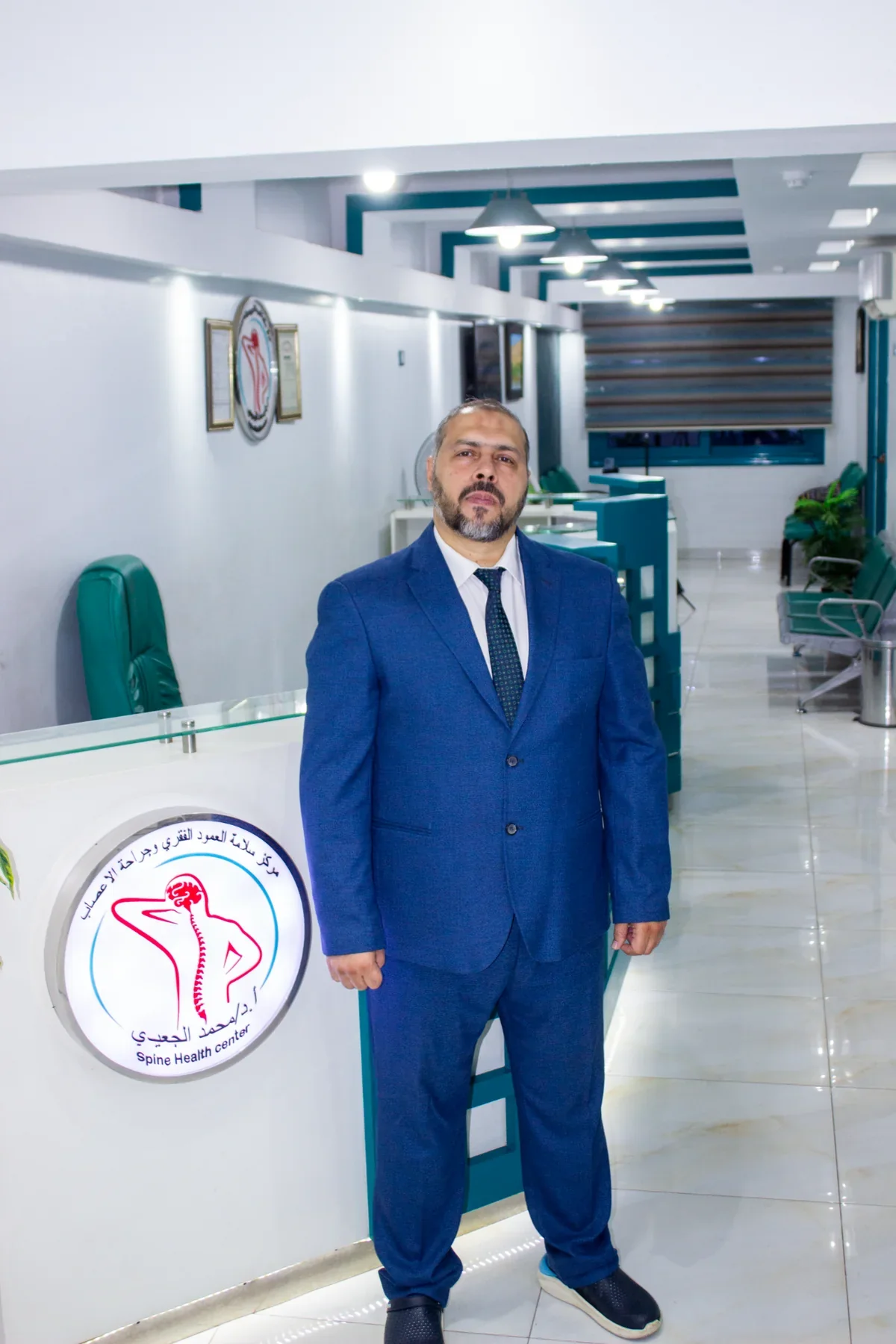
Prof. Mohamed El-Gaidi is a Professor of Neurosurgery and Spine Surgery. His clinic in Dokki sees patients with:
Emergencies can't wait for an appointment: sudden weakness on one side, trouble speaking or reduced consciousness, a sudden severe headache, or loss of bladder or bowel control. Go to the nearest emergency department right away.
Each specialty has its own page explaining the conditions treated and the diagnostic and treatment options available at the clinic.
Guided injections and radiofrequency for back, neck and joint pain.
Details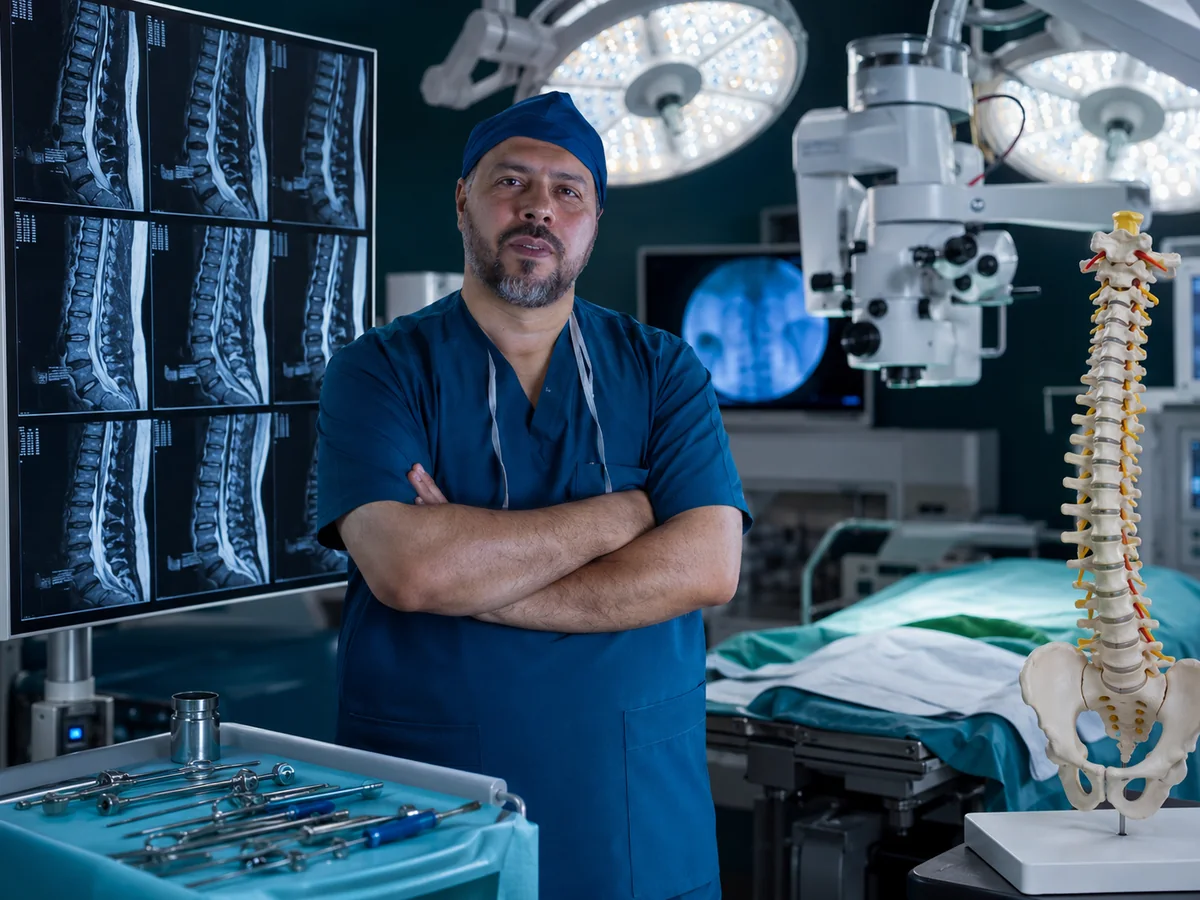
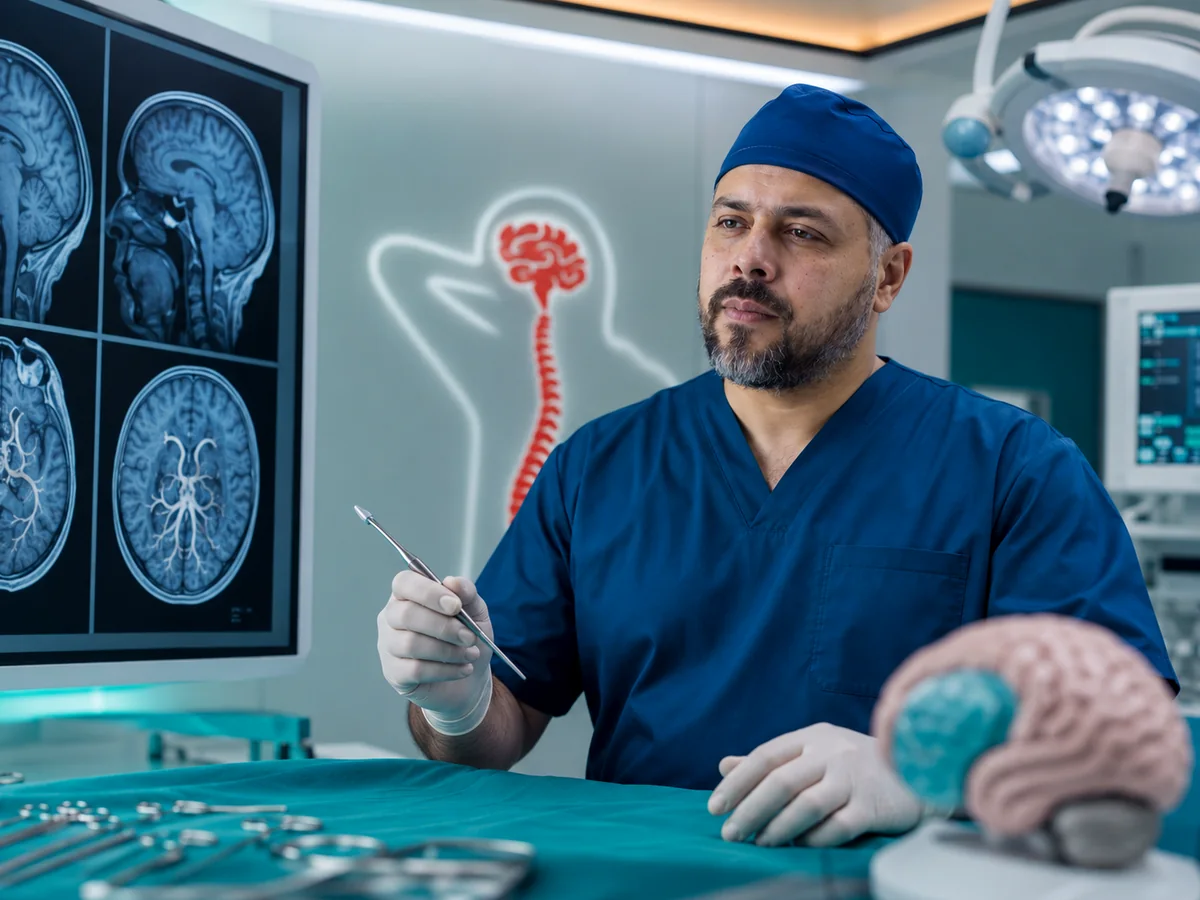
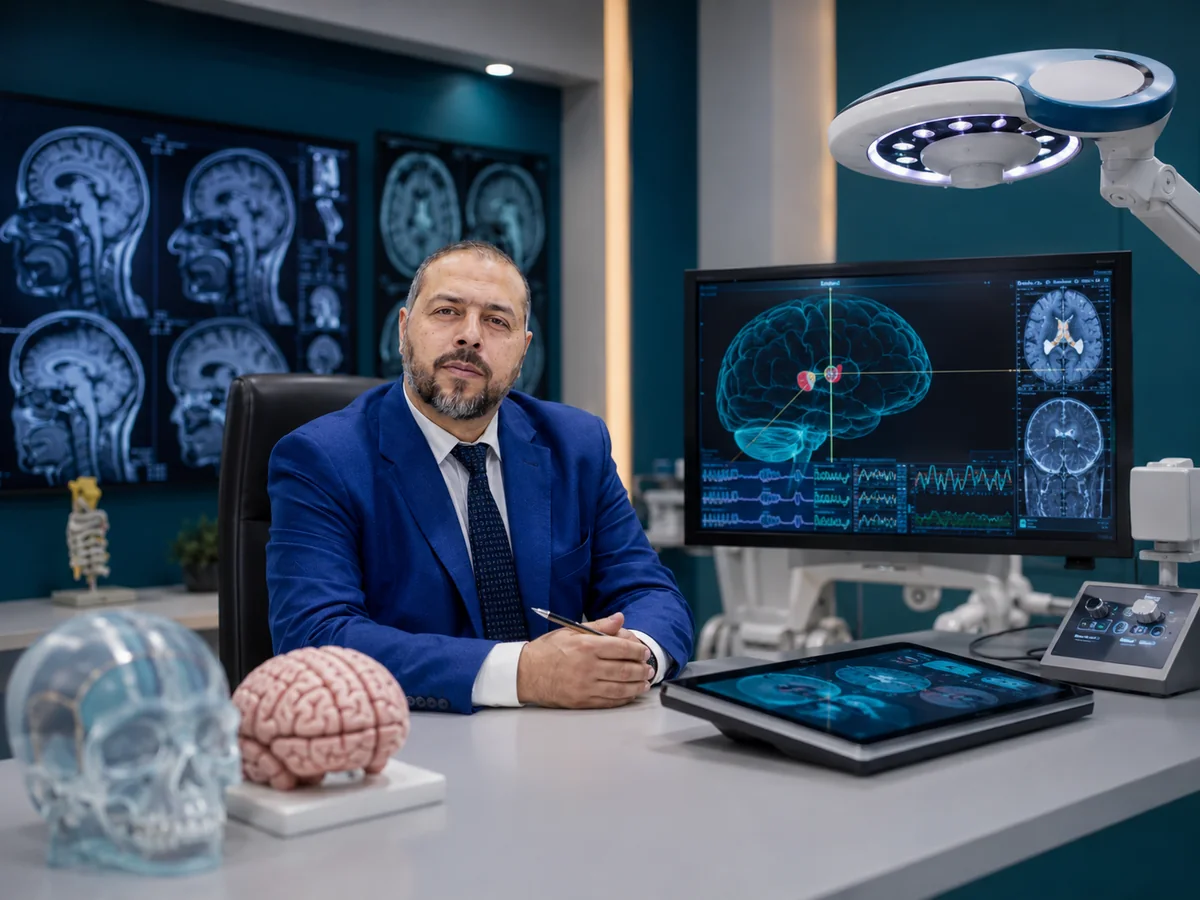
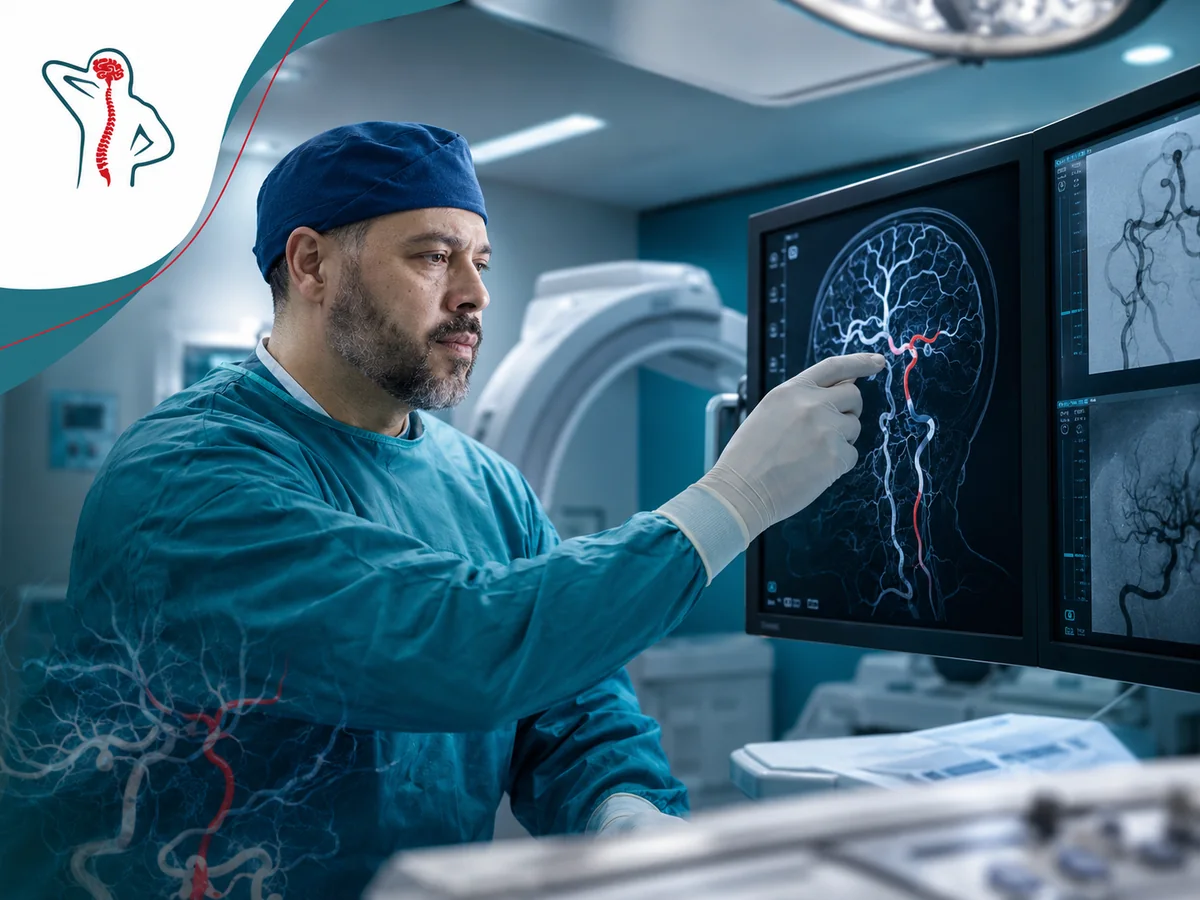
Shunts and endoscopic third ventriculostomy for adults and children.
Details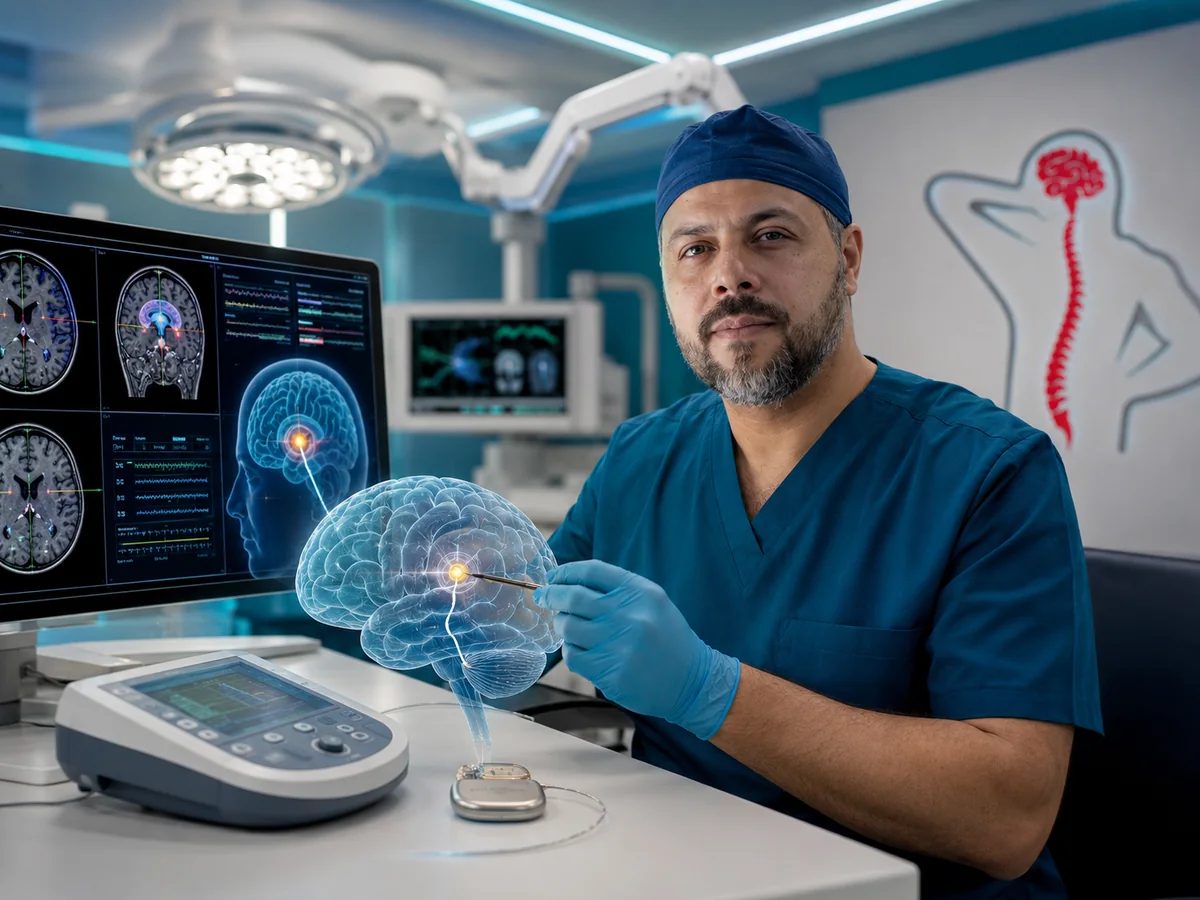
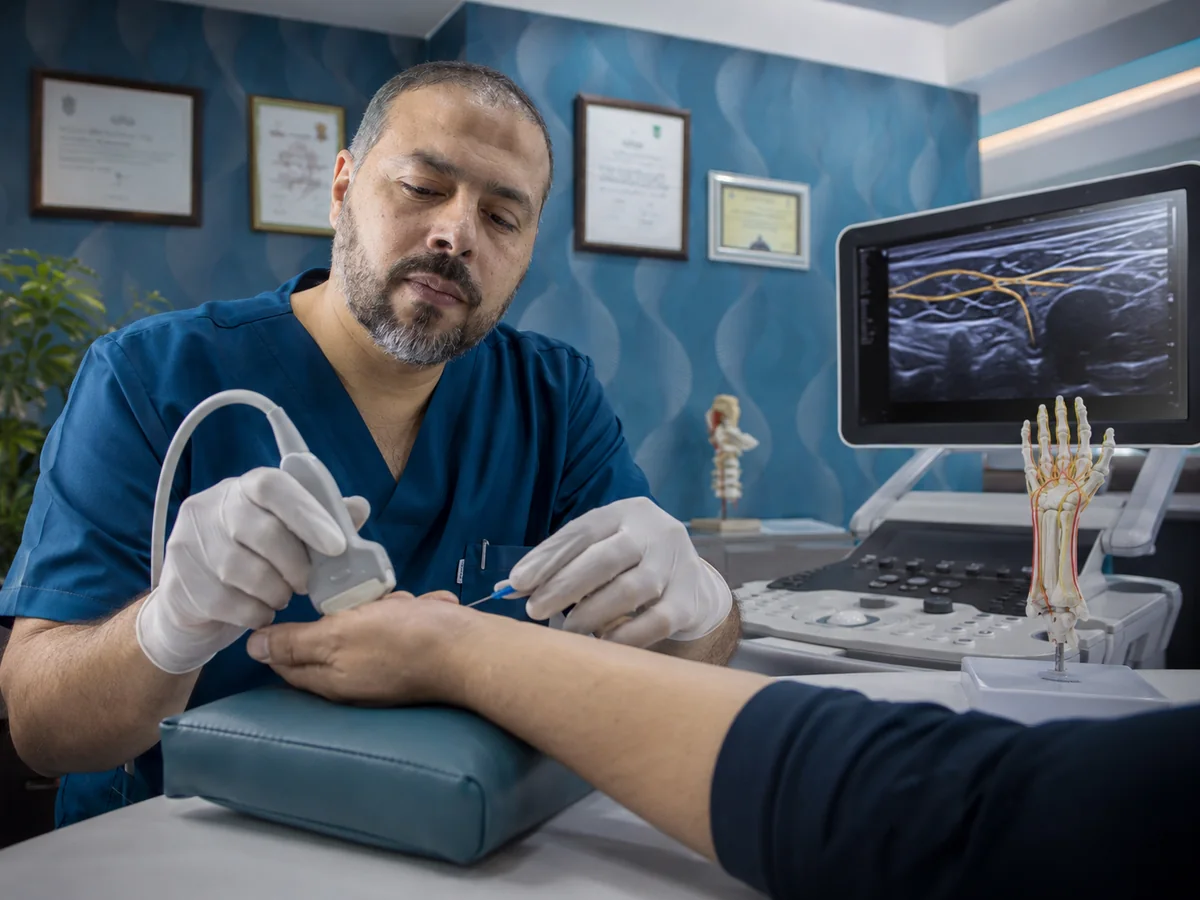
Most people with back and neck pain do not need an operation. The first step is finding the source of pain: a compressed nerve root, the facet joints, the sacroiliac joint or a peripheral nerve. The treatment is then matched to that source.
To calm nerve root inflammation in disc herniation and sciatica.
For chronic facet joint and knee pain, after a diagnostic block.
If muscle weakness appears or severe pain continues despite treatment, the doctor will explain endoscopic or microscopic surgery and when it makes sense.
One doctor follows your case from diagnosis to follow-up, with experience in both surgical and non-surgical options.
Trained at Kasr Al Ainy and progressed academically to full professor in 2023, with ongoing teaching and research.
His doctoral thesis covered three-dimensional correction of adolescent scoliosis.
MRI and CT images are reviewed directly, not just the written report, and matched to your examination.
Guided injections and radiofrequency are available for suitable cases before surgery is considered.
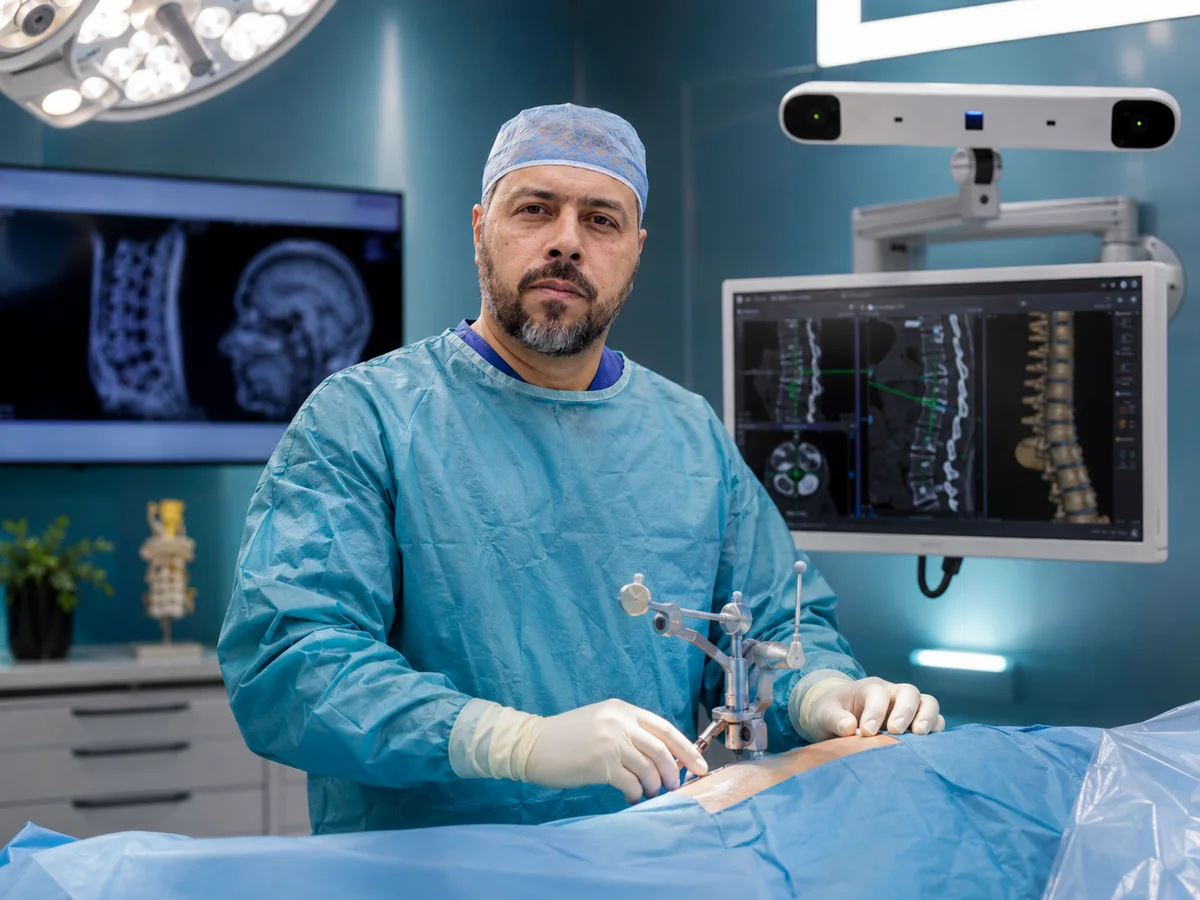
Endoscopic discectomy, decompression and percutaneous fixation for cases that need surgery.
You learn the diagnosis, alternatives, risks and recovery time in plain language and take part in the decision.
Call or WhatsApp +20 102 618 6600 and describe your main complaint.
Strength, sensation, reflexes and gait are checked, and your scans reviewed.
Medication and physiotherapy, guided injections, or surgery, with the reasons explained.
Progress is assessed and the plan adjusted until you are back to your activities.
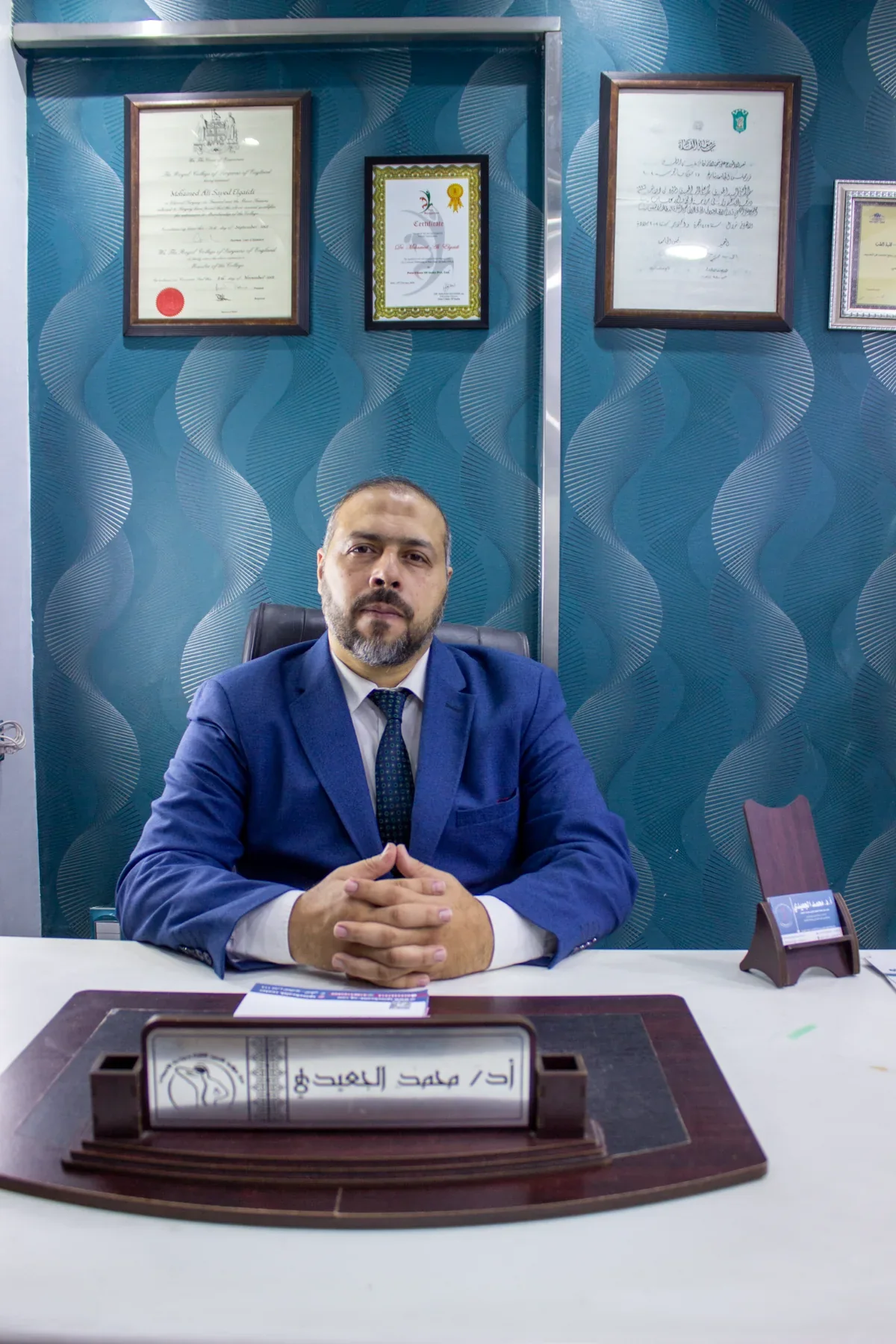
Prof. El-Gaidi began his career at Kasr Al Ainy Faculty of Medicine, specialized in neurosurgery, and focused his doctoral research on spinal deformity. Today he combines academic work with patient care at his clinic in Dokki.
Kasr Al Ainy Faculty of Medicine, with distinction and honors.
Cairo University, on 3D correction of adolescent scoliosis.
Assistant Professor of Neurosurgery since December 2016.
Professor of Neurosurgery since March 2023.
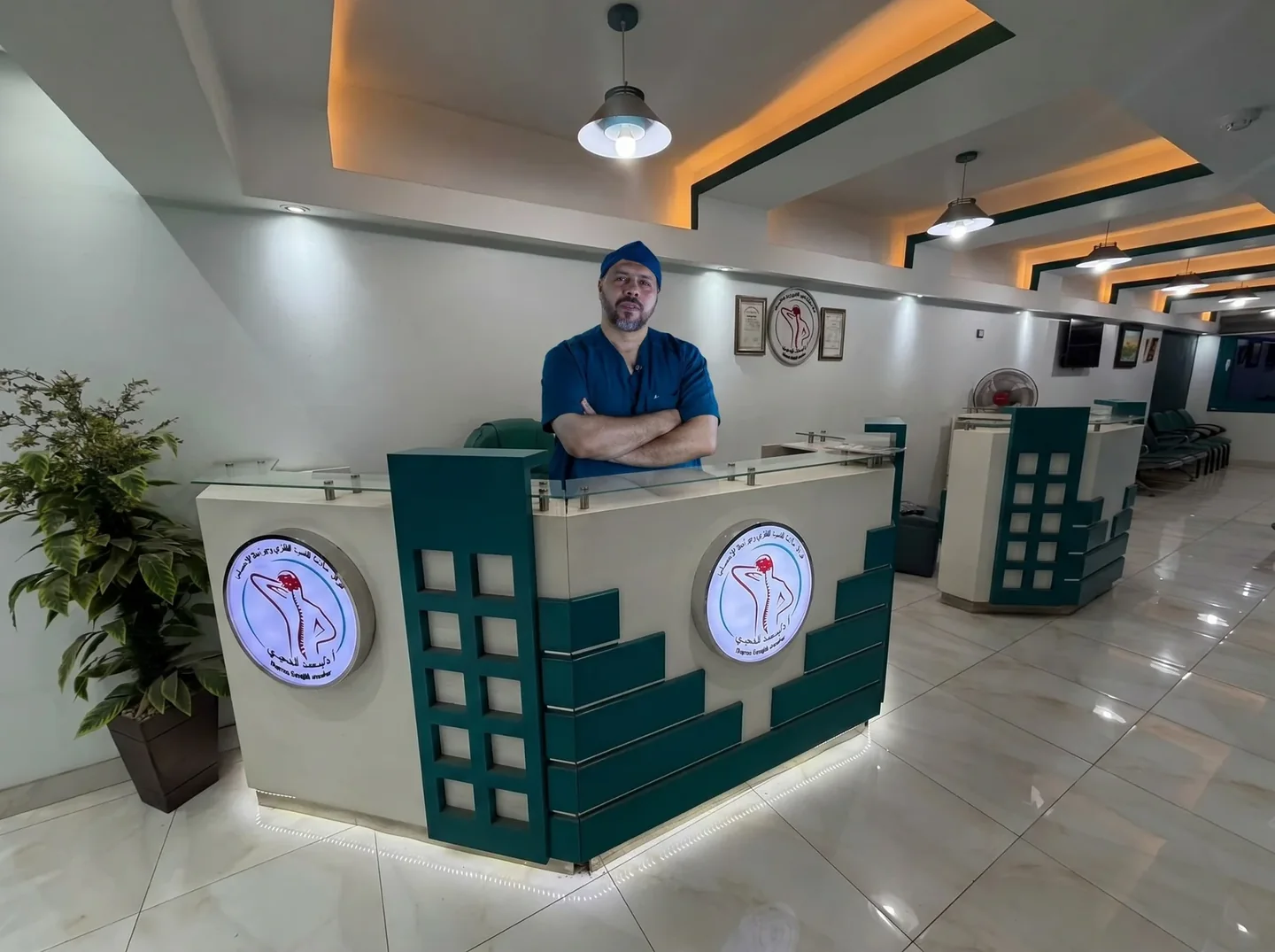
The clinic sees patients from Dokki, Mohandessin, Agouza, Giza and central Cairo at the Spine Health & Neurosurgery Center. It is easy to reach by metro or by car.
Short answers to what patients ask most when booking. The final diagnosis comes after the examination and a review of your scans.
A neurologist treats conditions such as epilepsy, migraine and stroke mainly with medication. A neurosurgeon diagnoses and treats conditions that may need an intervention, such as a herniated disc, spinal stenosis, brain tumors and hydrocephalus, and that includes non-surgical treatment when it suits the case. Prof. Mohamed El-Gaidi is a Professor of Neurosurgery and Spine Surgery; if your case needs follow-up with another specialty, you will know at the first visit.
Look for a surgeon who is actually specialized in brain and spine surgery, has a clear academic record, reviews the scan images personally and explains the alternatives before any decision. Check that the clinic is easy to reach and has regular hours. Prof. El-Gaidi's clinic is at 114 El-Tahrir Street, next to Dokki Metro station, and is open daily.
No. Most herniated discs improve with medication, physiotherapy or guided injections. Surgery is considered when there is leg or foot weakness, severe pain that does not respond to treatment over several weeks, or loss of bladder or bowel control.
In many cases, yes. Treatment starts by pinpointing the source of pain, then may include medication, physiotherapy, epidural or nerve root injections and radiofrequency. The consultation tells you whether your case is suitable for these options.
The consultation and follow-up fees are confirmed when you book by phone or WhatsApp on +20 102 618 6600. The same number can tell you about same-day availability.
Bring the scan images themselves (CD or online link), not just the written report, plus older scans for comparison, a list of your medications and doses, reports of previous surgeries or treatments, and any nerve conduction study.
At the Spine Health & Neurosurgery Center, 114 El-Tahrir Street, Dokki, Giza, next to Dokki Metro station, 4th floor on the right. It is close to Mohandessin, Agouza and Downtown Cairo.
Book a consultation with Prof. Mohamed El-Gaidi in Dokki, Cairo. Bring your scans and reports so the diagnosis is accurate from the first visit.