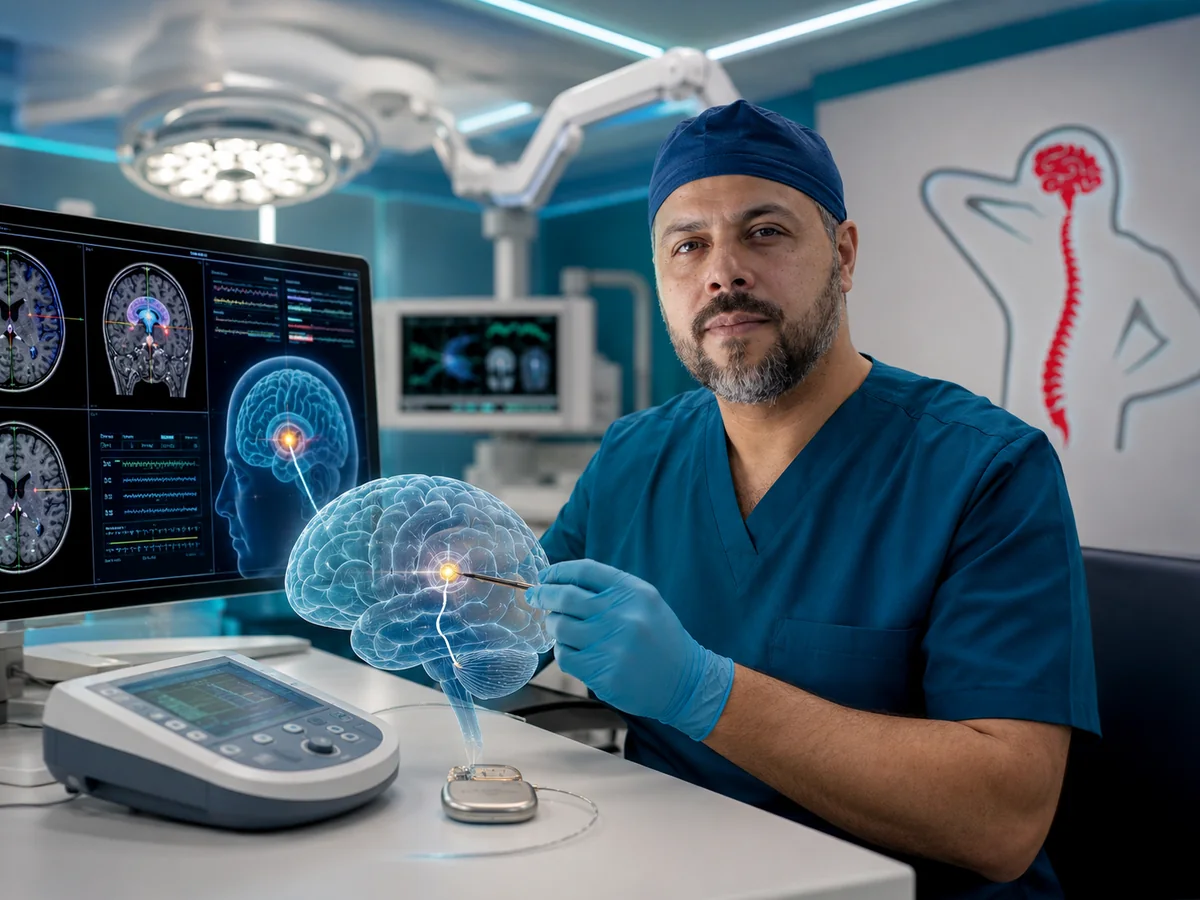
Functional neurosurgery treats symptoms caused by abnormal activity in specific brain or spinal circuits, such as tremor, the slowness and stiffness of Parkinson's disease, and severe muscle spasticity, rather than a tumour or a compressed nerve. The aim is to adjust a faulty signal with great precision, through electrical stimulation, a small targeted lesion, or medication delivered directly to the spinal fluid, so the patient regains more control of movement.
If tremor stops you writing, eating or dressing, or a family member has spasticity that makes sitting, walking or daily care difficult, these operations deserve a proper discussion once medication and rehabilitation have done what they can. Prof. Mohamed El-Gaidi offers these assessments at his clinic in Dokki, Cairo, as part of his neurosurgery and spine services.
Conditions treated with functional neurosurgery
Some of these conditions look alike, but the right treatment depends on an accurate diagnosis of the movement disorder. Every assessment starts by telling them apart:
Essential tremor
Tremor mainly in the hands during action, such as holding a cup, sometimes affecting the head or voice. It often runs in families and worsens with age.
Parkinson's disease
Resting tremor with slowness and rigidity. Over the years, medication effects start to fluctuate and dose-related involuntary movements appear.
Dystonia
Sustained or repeated muscle contractions causing twisting postures or movements of the neck, limbs or whole body.
Spasticity
Muscle stiffness and tightness after injury to the brain or spinal cord, as in cerebral palsy in children and spinal cord injury.
Surgery for tremor: essential tremor and Parkinson's
Most tremor patients start with medication, and many do well for years. Surgery is considered when tremor remains disabling despite adequate trials of the right drugs, or when side effects are intolerable.
Essential tremor
The target is a small relay nucleus in the thalamus that carries the tremor signal. Stimulating or lesioning it reduces hand tremor on the opposite side of the body substantially in most well-selected patients, so they can write, hold a cup and eat independently again.
Parkinson's disease
The best candidates still respond to levodopa but suffer 'off' periods when slowness and stiffness return, troublesome dyskinesia at peak dose, or tremor that medication does not control. Symptoms that do not improve with medication, such as severe balance problems or memory decline, usually do not improve with surgery either.
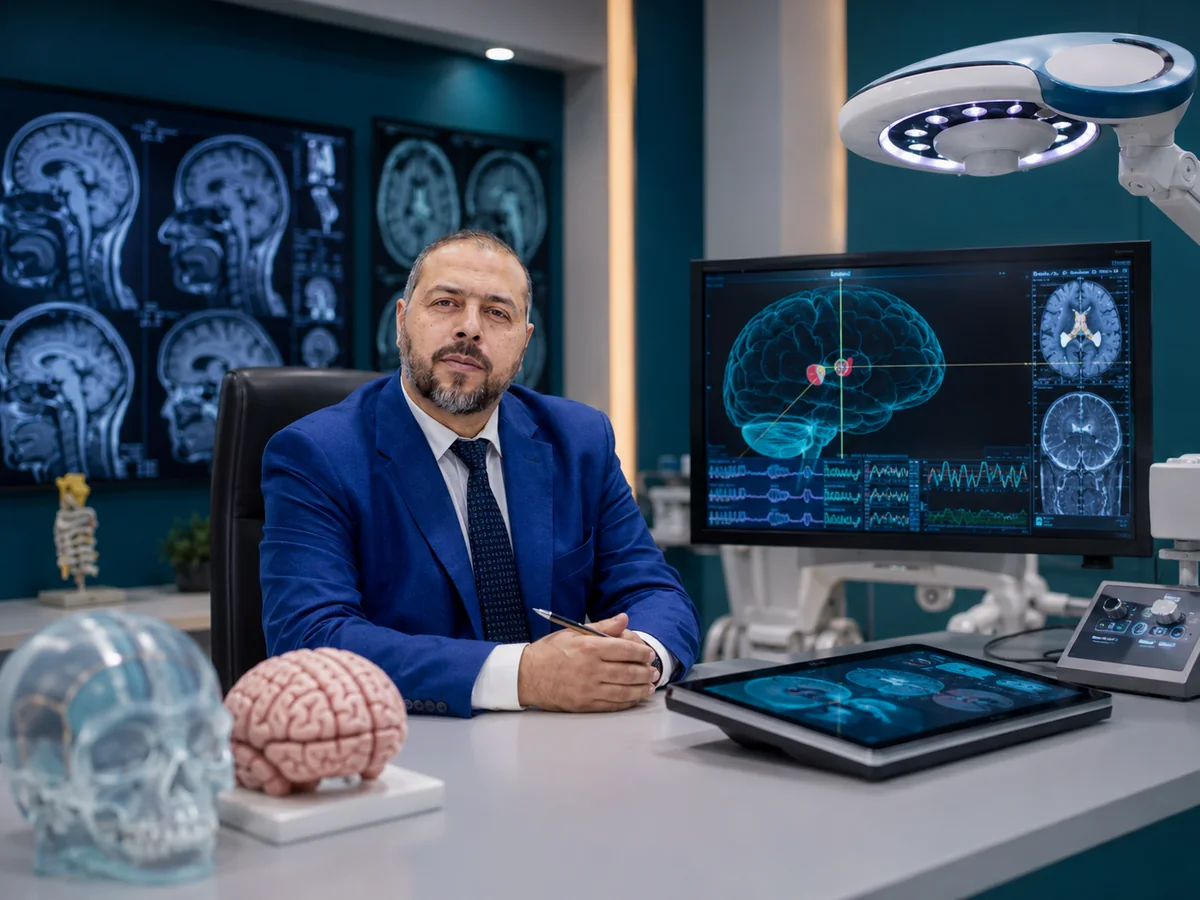
Deep brain stimulation or radiofrequency lesioning?
Both procedures act on roughly the same targets and differ in how they work and what follow-up they need:
| Aspect | Deep brain stimulation (DBS) | Radiofrequency lesioning |
|---|---|---|
| How it works | A thin electrode delivers electrical pulses that modulate the abnormal signal | Heat creates a small, permanent lesion that interrupts the abnormal signal |
| Implanted device | Yes, electrode connected to a pulse generator under the chest skin | No device left in the body |
| Adjustable | Settings can be changed or the device switched off | Permanent effect, not adjustable |
| Sides of the brain | Can be done on both sides | Usually one side, to limit speech and swallowing risks |
| Follow-up | Programming sessions; battery replacement after years | Clinical follow-up, no hardware |
| Often better for | Symptoms on both sides; Parkinson's needing ongoing fine-tuning | Clearly one-sided symptoms, or patients who prefer no device or cannot attend programming |
Neither option is best for everyone. Age, general health, which side is affected and your ability to attend follow-up all shape the decision, and you will hear clearly why one is recommended over the other.
Dystonia and spasticity: when is surgery considered?
First-line treatment is non-surgical: regular physiotherapy, muscle-relaxing medication, splints, and often botulinum toxin injections into selected muscles with a rehabilitation physician. Surgery comes in when spasticity stays severe and interferes with movement, sitting, sleep or care, or when oral medication is not tolerated.
In generalised or severe dystonia that does not respond to medication, deep brain stimulation may be appropriate; improvement usually builds gradually over weeks to months. Spasticity has two main surgical options, described below.
Selective dorsal rhizotomy
Selective dorsal rhizotomy (SDR) is performed in the lower back. Sensory nerve rootlets that feed the spasticity signal into the spinal cord are tested, and a selected portion is divided. The result is a lasting reduction in leg stiffness while preserving sensation and strength as far as possible.
It generally suits children with spastic diplegic cerebral palsy who walk or nearly walk, have good underlying strength, and can take part in several months of intensive physiotherapy afterwards, which is essential to the result. Read more about assessing these children on our pediatric neurosurgery page.
Intrathecal baclofen pump implantation
Baclofen relaxes muscles, but high oral doses cause drowsiness and general weakness. A pump delivers a tiny dose straight into the fluid around the spinal cord, giving a stronger effect with fewer side effects. It usually suits severe spasticity of all four limbs or the whole body, as in severe cerebral palsy, spinal cord injury and some cases of multiple sclerosis.
Test dose
A trial dose is injected in the lower back and spasticity is assessed over the following hours to see whether a pump will help.
Implantation
The pump is placed under the abdominal skin, with a thin catheter tunnelled to the spinal canal.
Dose adjustment
The dose is programmed wirelessly and adjusted gradually to balance relaxation and strength.
Refills
The reservoir is refilled through the skin every few months; the pump is replaced after several years when the battery ends.
Never let the pump run empty. Sudden baclofen withdrawal can cause severe rebound spasticity, itching, fever and confusion, and may become life-threatening. If the pump alarm sounds or these symptoms appear, contact us immediately or go to the emergency department.
Candidate selection and a team approach
Good results in functional neurosurgery begin long before the operating room. Carefully selected patients benefit most, so assessment has several stages and involves the movement disorder neurologist, rehabilitation and anaesthesia teams as needed.
- Confirming the exact diagnosis and reviewing previous medications and doses.
- Response tests, such as comparing movement before and after levodopa in Parkinson's, or a baclofen trial dose.
- Brain MRI to exclude other causes and plan the target precisely.
- Memory and mood assessment, since some issues need treating before surgery.
- Agreeing a realistic goal: which symptoms should improve and which will remain.
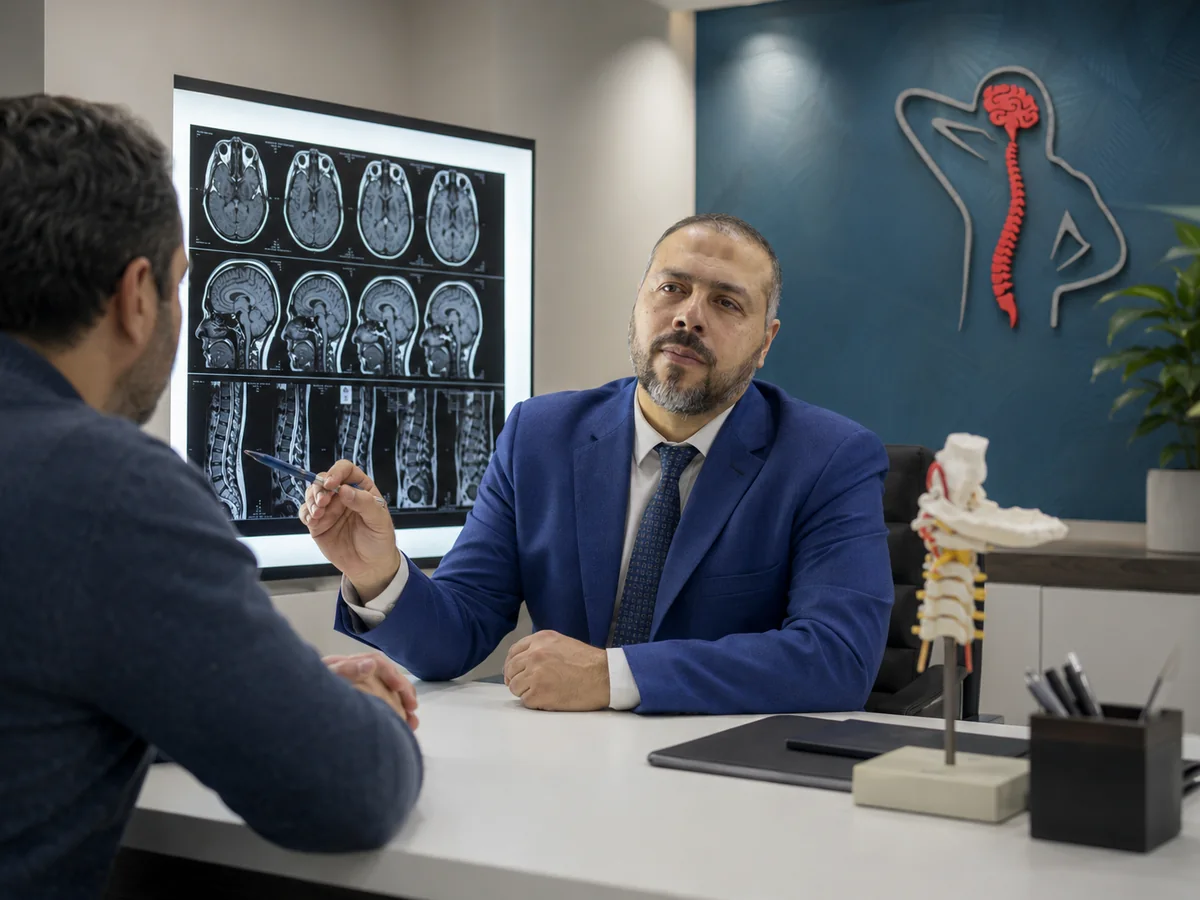
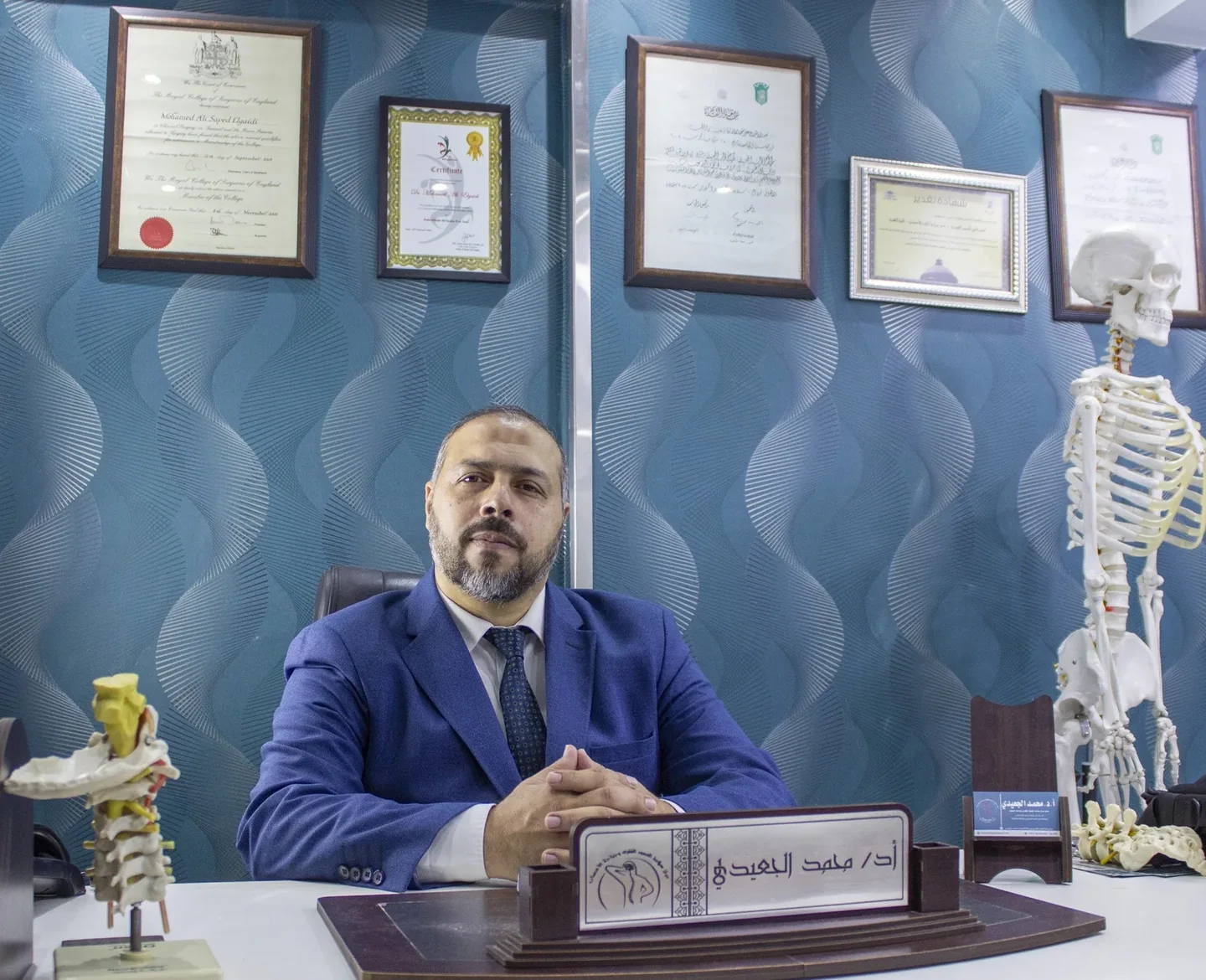
Prof. El-Gaidi is Professor of Neurosurgery at Cairo University. His practice covers functional neurosurgery alongside brain tumor surgery and spine surgery. See his full profile and academic background.
Programming and follow-up after surgery
After deep brain stimulation, full benefit does not arrive on the day of surgery. The device is usually switched on and programmed a few weeks later, then stimulation settings are refined over several sessions to get the best symptom control with the fewest side effects. In Parkinson's, medication is reduced gradually in coordination with your neurologist.
- Always carry your device ID card and tell any doctor or imaging centre about a stimulator or pump before MRI or procedures.
- Note changes in speech, balance or mood after setting changes and report them at the next session.
- Keep battery replacement or recharging schedules and baclofen refill appointments.
- Continue physiotherapy to hold on to the movement gains after surgery.
Seek urgent assessment for fever, redness or discharge around the wound or device, sudden severe headache, new weakness or speech disturbance, or a sudden full return of symptoms.
Your functional neurosurgery assessment in Dokki
At the first visit, Prof. El-Gaidi reviews the history of your symptoms and medication, examines tremor, movement and spasticity, and tells you whether you are a candidate for a functional procedure or need further medical treatment first. The Spine Health & Neurosurgery Center is at 114 El-Tahrir St., Dokki, Giza, next to Dokki Metro station, easy to reach from Mohandessin, Zamalek and central Cairo. Please bring:
- Exact medication list and dose times
- A short home video of the tremor or spasticity
- Videos in 'on' and 'off' periods
- Brain MRI on CD
- Neurology and rehab reports
- Details of previous Botox injections
Functional neurosurgery helps people with tremor, Parkinson's and spasticity when medication reaches its limits, provided the patient and procedure are chosen carefully and follow-up is regular. The right decision starts with an assessment that sets a realistic goal for your case.