
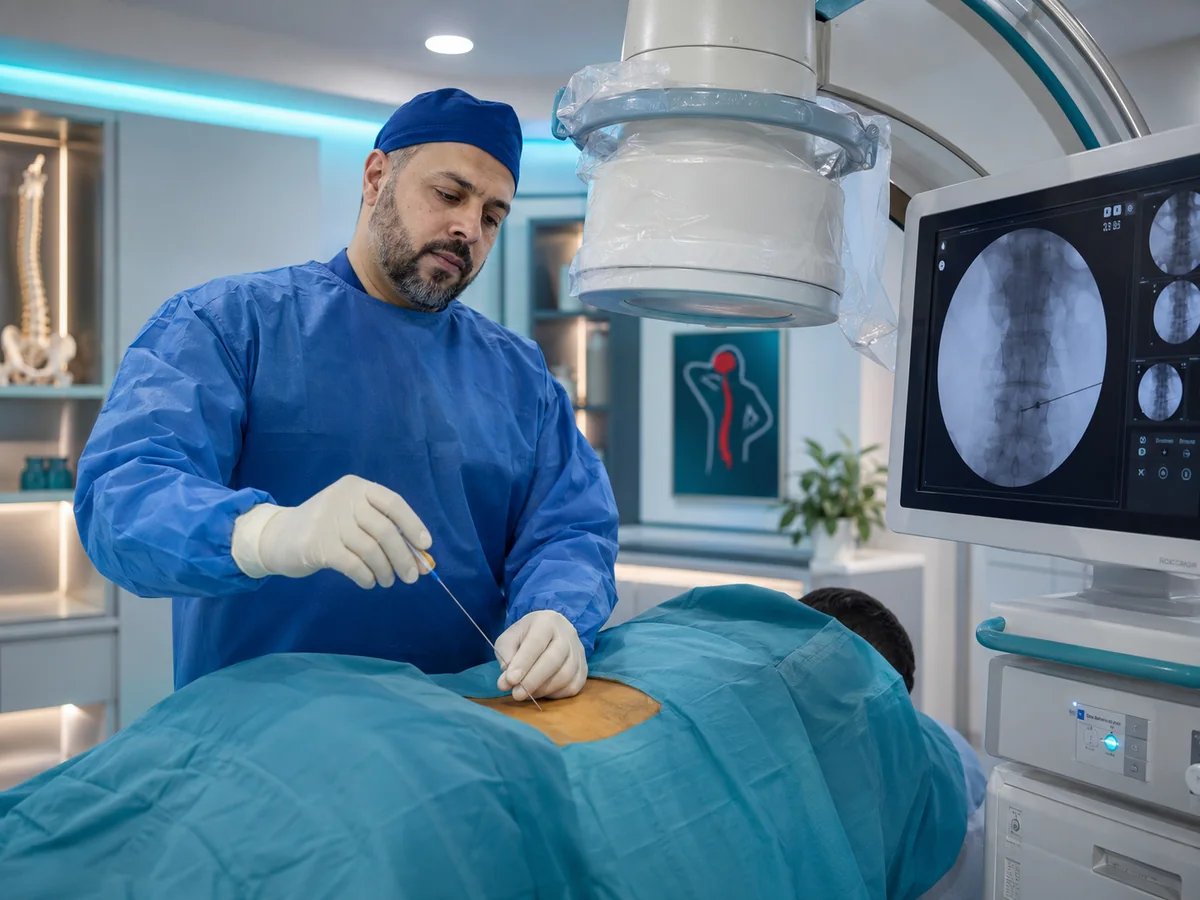
Pain Management Without Surgery
Epidurals, nerve root and sacroiliac injections, radiofrequency and the Racz catheter.
DetailsEight surgical specialties and three common conditions treated by Prof. Mohamed El-Gaidi at his clinic in Dokki, Giza. Start from the symptom you feel and find the page that explains your condition and its treatment options.
Most patients don't know the name of their diagnosis when they book, and that is normal. The table below links common symptoms to the specialty that treats them. Each page explains causes, tests and treatment options.
| What you feel | Possible cause | Start with |
|---|---|---|
| Lower back pain running into the thigh and leg | A compressed lumbar nerve root from a disc or stenosis | Sciatica treatment · Herniated disc |
| Neck pain spreading to the shoulder and arm with finger numbness | A cervical disc herniation pressing on a nerve root | Cervical disc · Spine surgery |
| Hand and finger numbness, worse at night, or a weak grip | Median nerve compression at the wrist, or a nerve root in the neck | Carpal tunnel · Cervical disc |
| Heavy, numb legs after a short walk, easing when you sit | Lumbar spinal stenosis or spondylolisthesis | Spine surgery |
| Chronic low back, neck or knee pain with arthritis | Facet joint or knee arthritis | Radiofrequency ablation · Pain management |
| Persistent headache with a mass on MRI, or vision or hormone changes | A brain, skull base or pituitary tumor | Brain tumor surgery |
| A growing head size in an infant, or walking, memory and bladder problems in older adults | Hydrocephalus | Hydrocephalus treatment |
| Hand tremor, or stiffness and spasm in the muscles | Essential tremor, Parkinson's disease or spasticity | Functional neurosurgery |
| A sac or opening on a newborn's lower back, or leg weakness in a child | Spina bifida or tethered spinal cord | Pediatric neurosurgery |
| An aneurysm found on a scan, or a previous brain bleed | Brain aneurysm or arteriovenous malformation | Cerebrovascular surgery |
The table points you to the closest starting page; it does not replace an examination. Symptoms often overlap. Hand numbness, for example, can come from the neck or from the wrist, and the consultation is what identifies the source.
Prof. Mohamed El-Gaidi, Professor of Neurosurgery, covers these fields at his clinic in Dokki and in the operating room, from guided injections to delicate brain surgery.
Epidurals, nerve root and sacroiliac injections, radiofrequency and the Racz catheter.
Details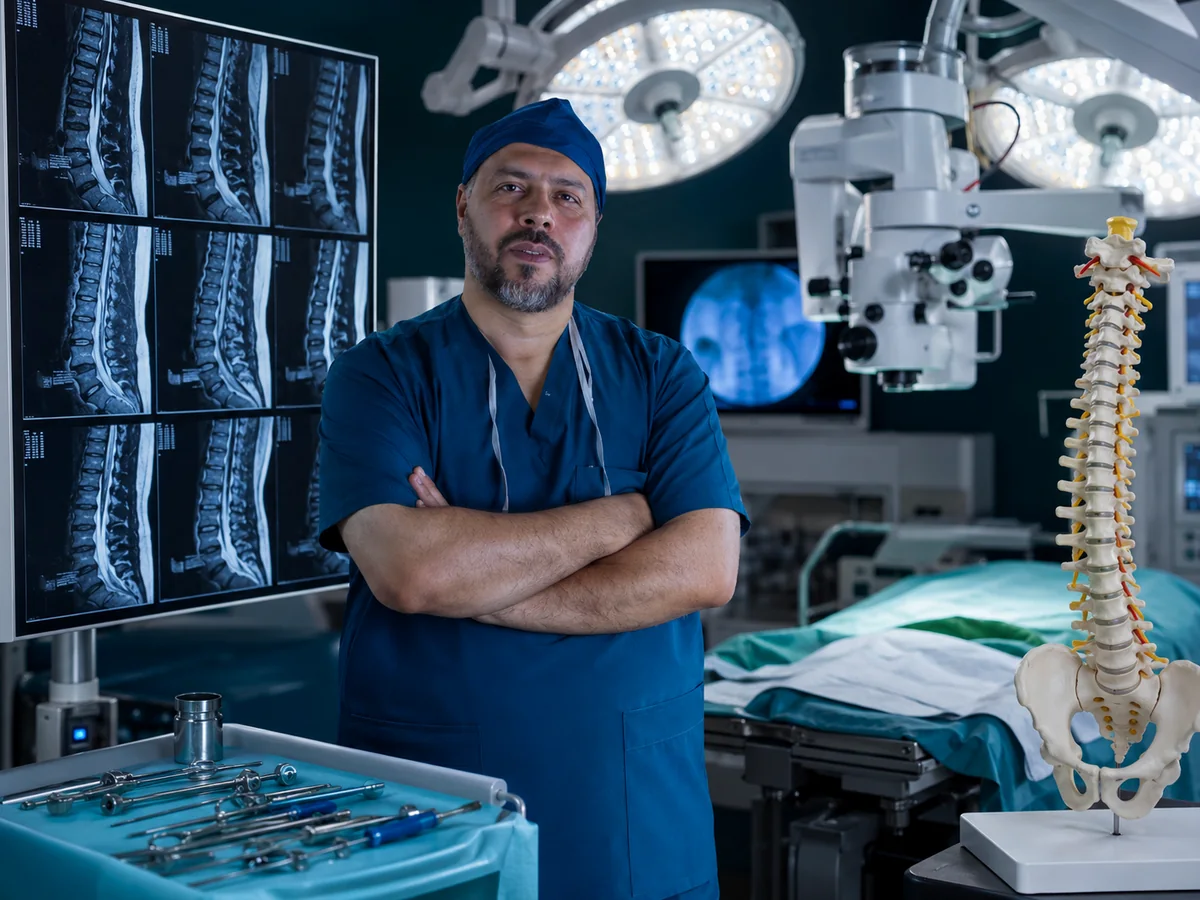
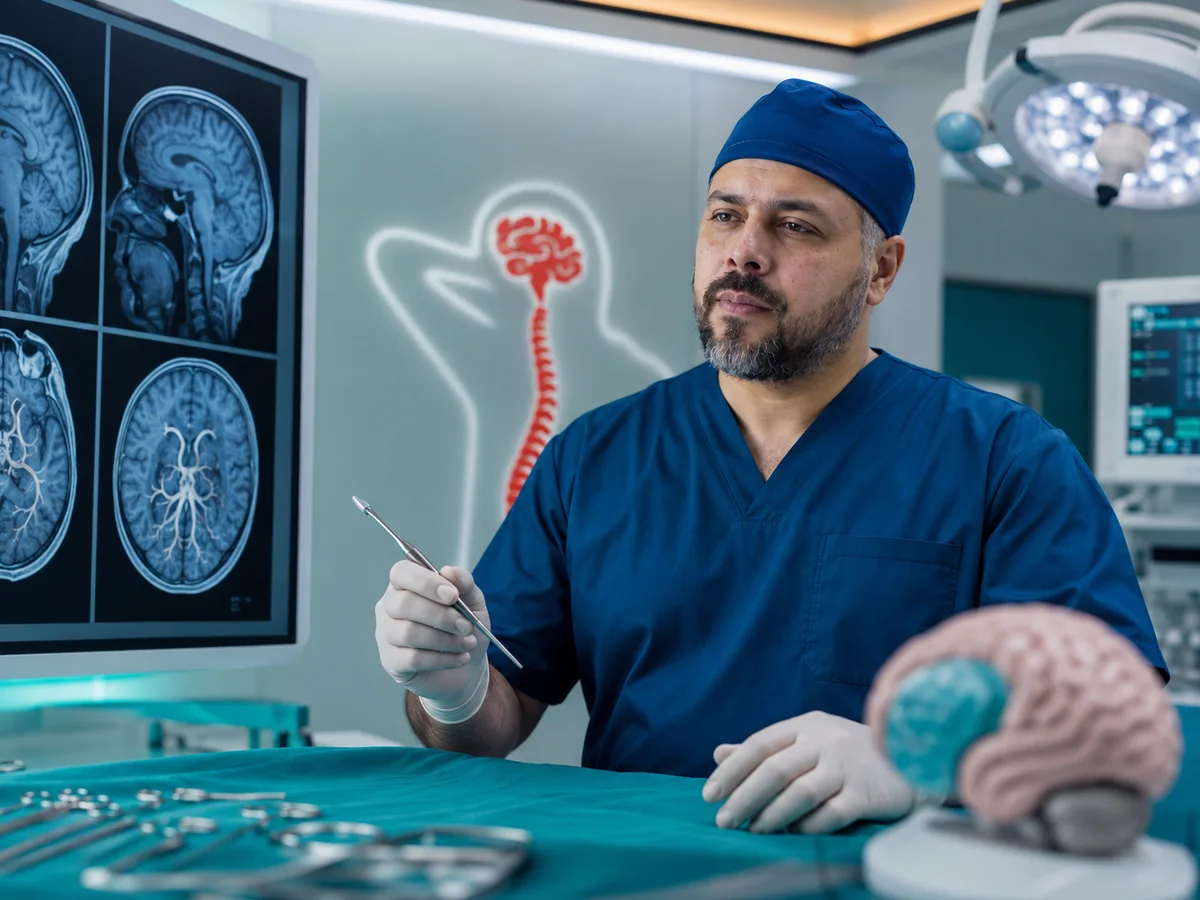
Brain and skull base tumors, endoscopic pituitary surgery, bleeds and head injuries.
Details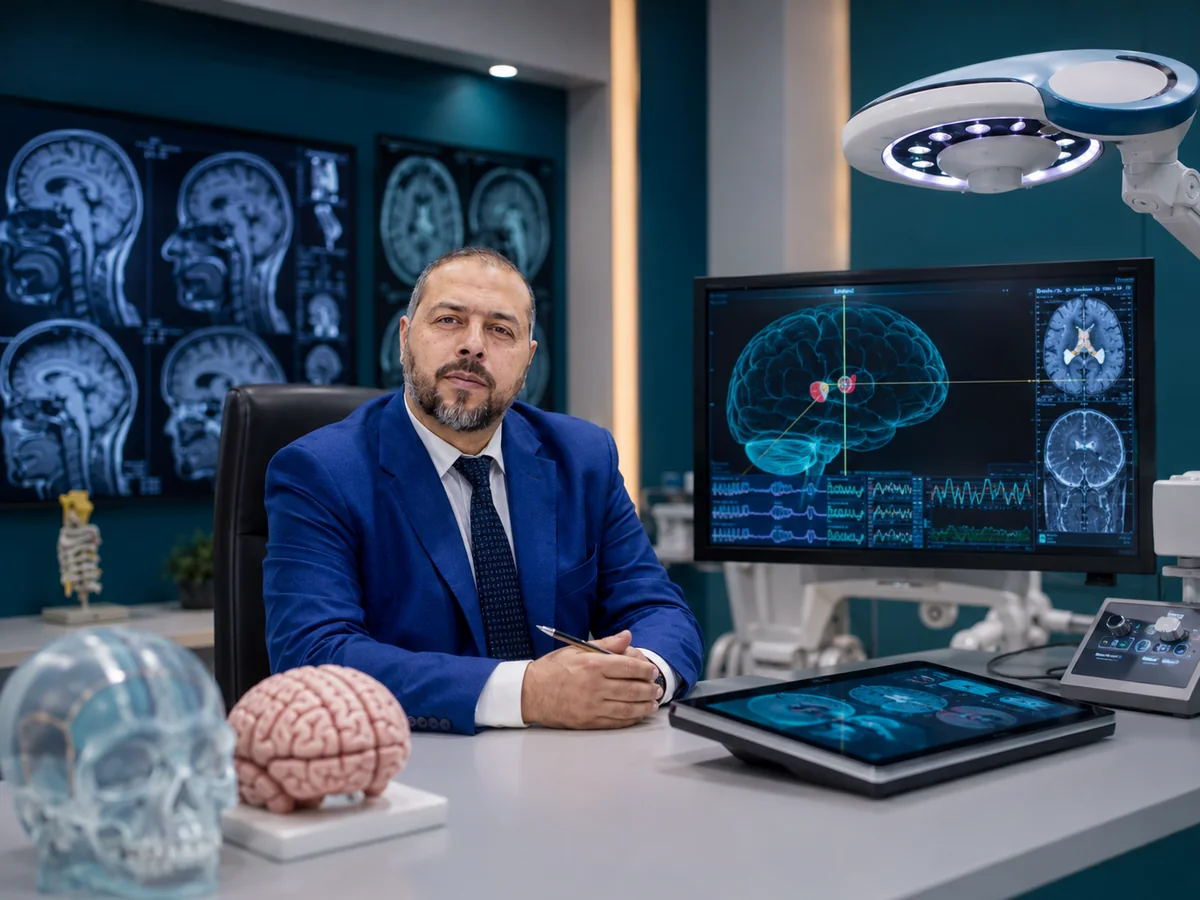
Shunts and endoscopic third ventriculostomy for adults and children.
Details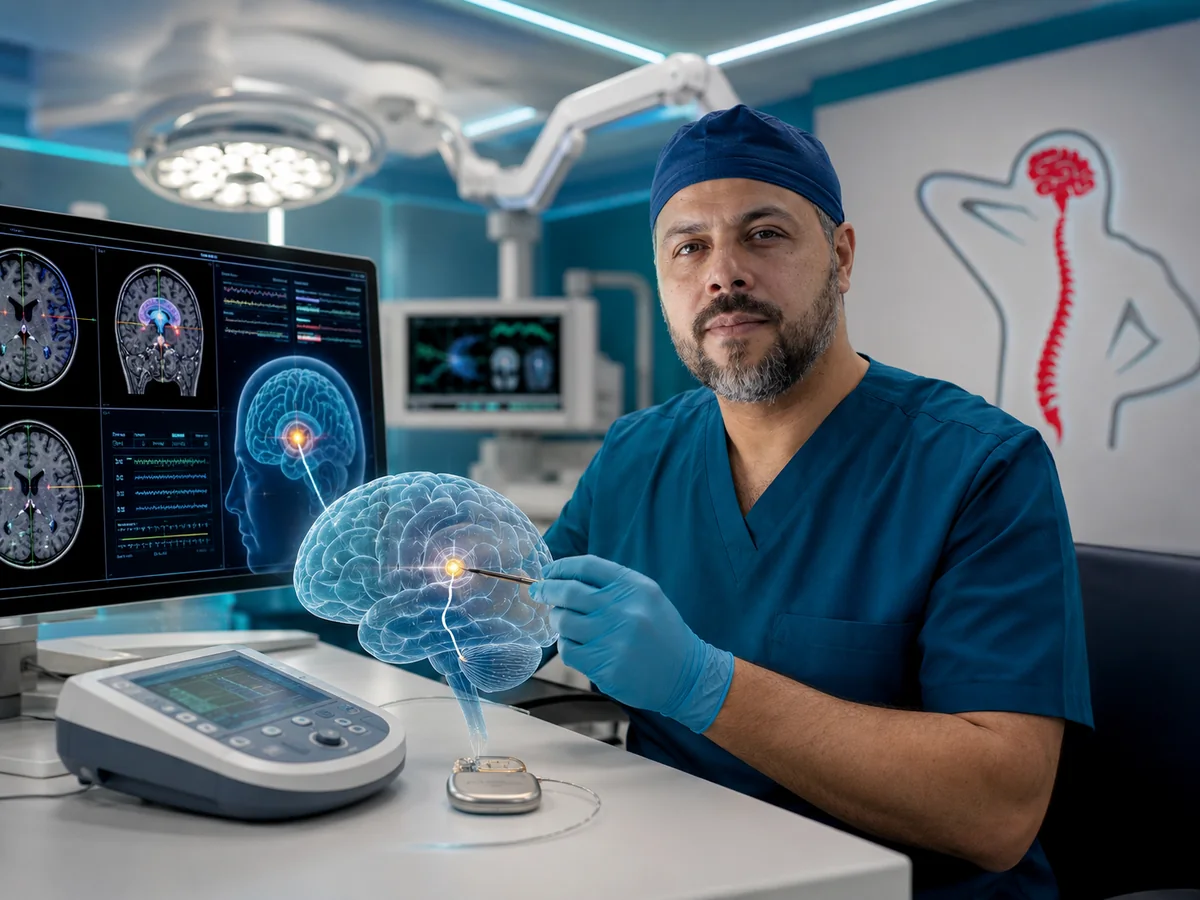
Deep brain stimulation, lesioning for tremor and Parkinson's, baclofen pumps for spasticity.
Details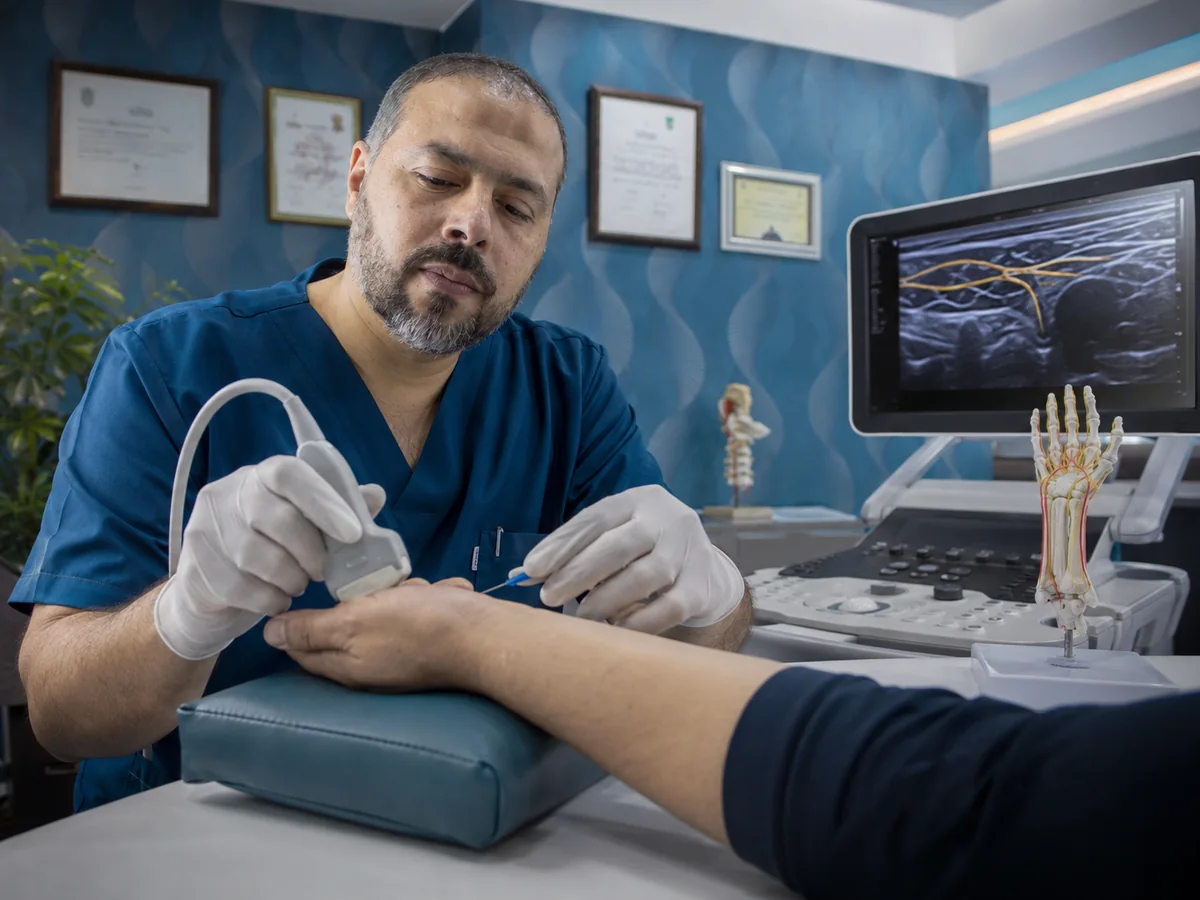
Carpal tunnel, ulnar nerve entrapment, nerve repair and grafting, brachial plexus.
Details
Pediatric hydrocephalus, spina bifida, tethered cord and childhood tumors.
Details
Brain aneurysms, arteriovenous and cavernous malformations of the brain and spinal cord.
DetailsThree conditions behind most clinic visits, each with a detailed page on symptoms and a step-by-step treatment plan, from the simplest option to surgery.
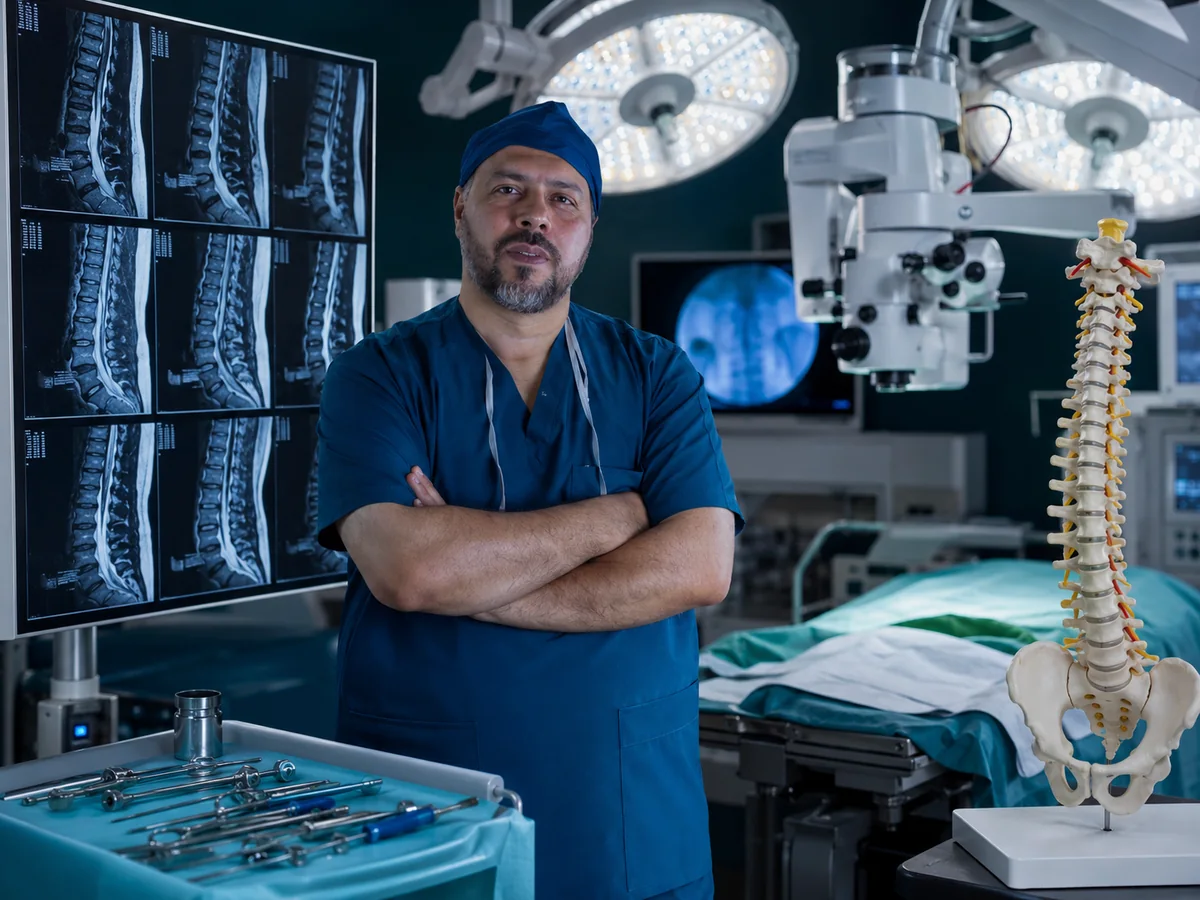
Lumbar and cervical discs: when medication and injections are enough, and when endoscopic disc surgery is discussed.
Details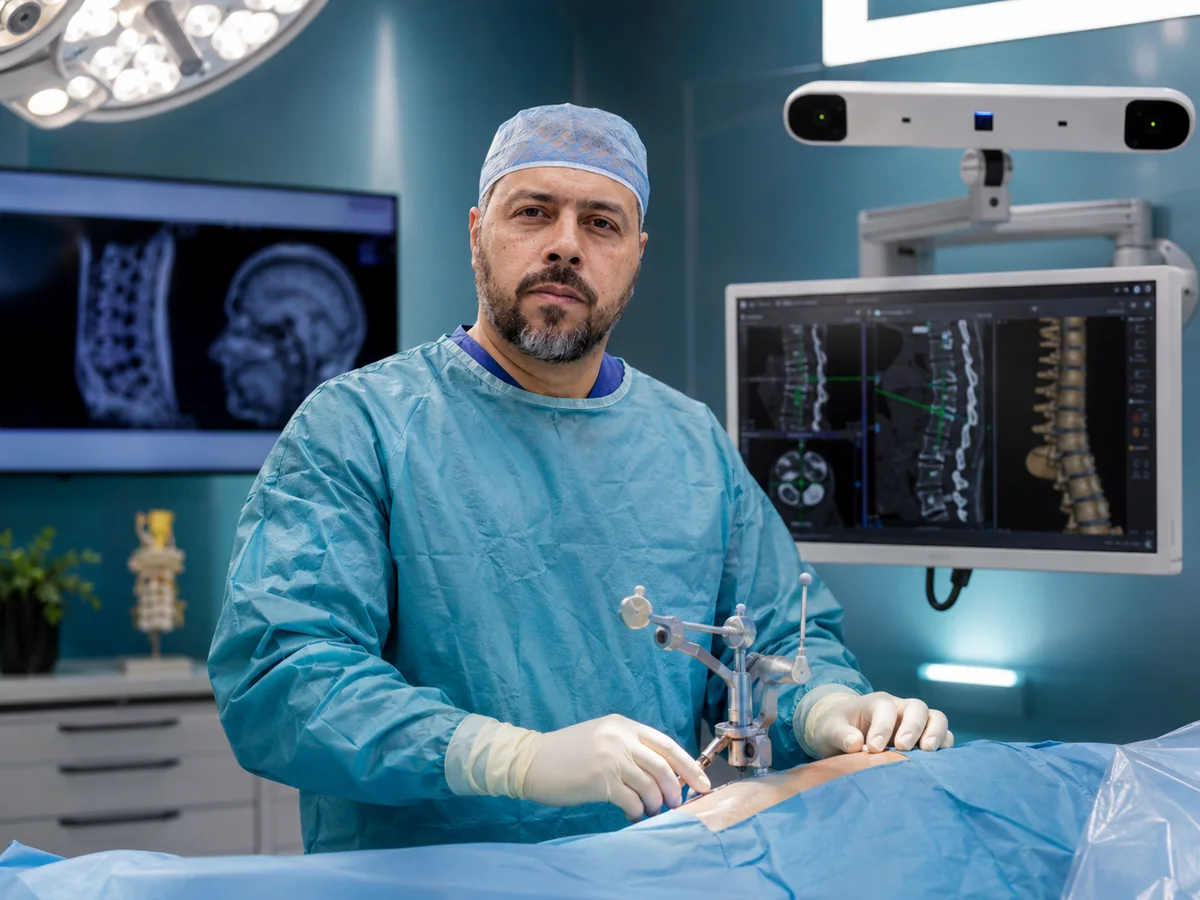
Back pain radiating to the leg: pinpointing the cause, then injections, pulsed radiofrequency or surgery.
Details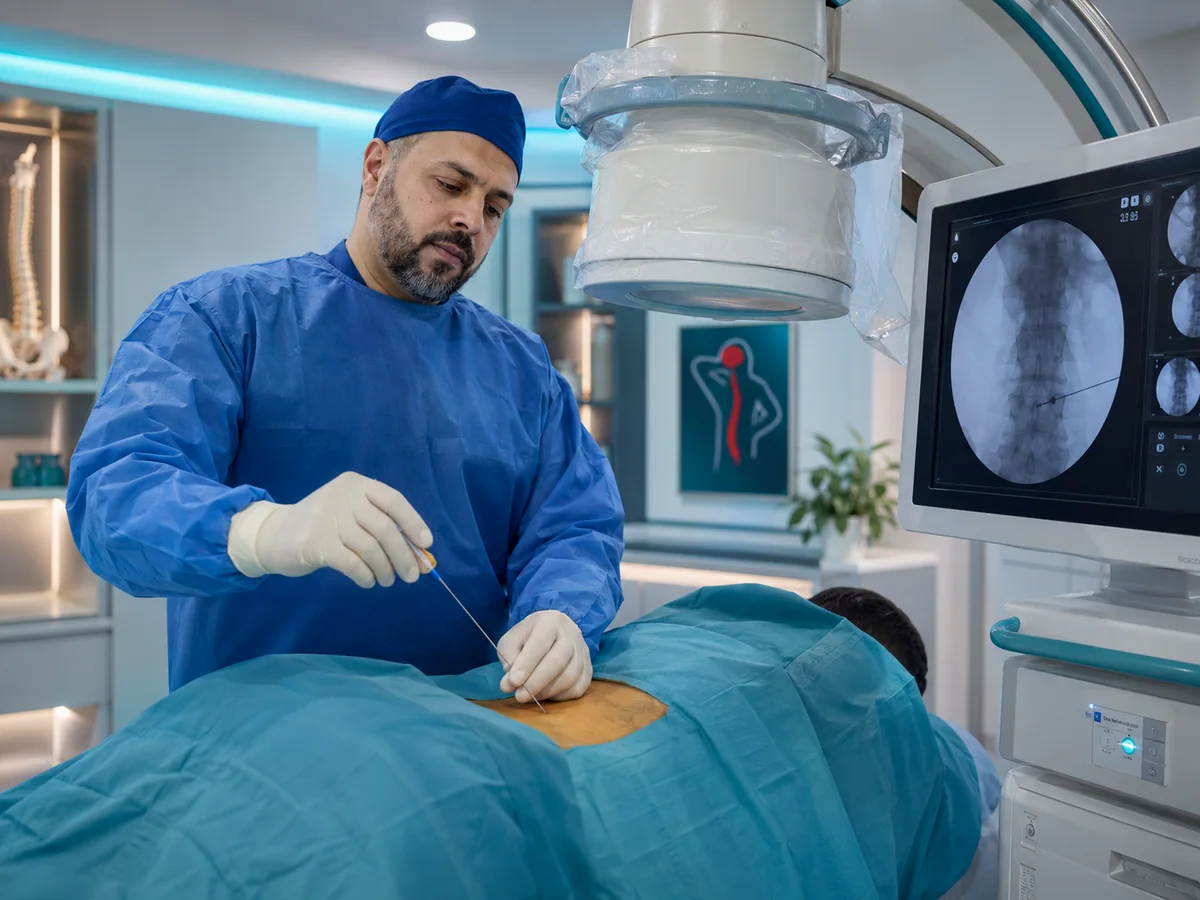
For chronic facet, neck and knee pain, after a diagnostic block confirms the source.
DetailsThe service you need is decided in the consultation, not by the name of a procedure you have heard about. Every visit follows the same order, linking what you feel to what the examination and scans show.
When the pain or numbness started, where it spreads, what makes it worse and which treatments you have tried.
Strength, sensation, reflexes and gait, or the cranial nerves, depending on the complaint.
The MRI or CT images themselves are reviewed. A nerve study or dynamic X-ray may be requested to confirm the source.
Medication and physiotherapy, guided injections or surgery, with alternatives, recovery time and follow-up explained.
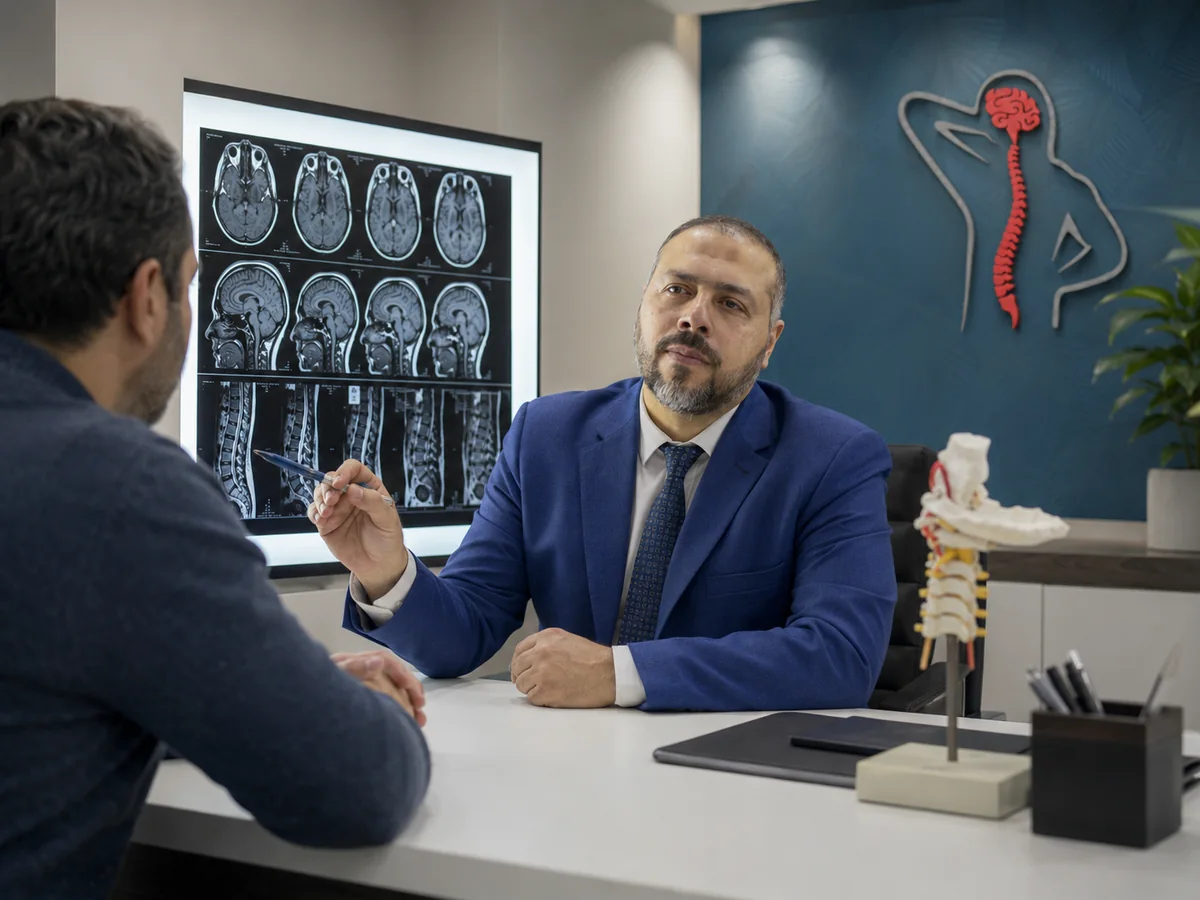
The more complete your records, the more likely you are to leave the first visit with a clear diagnosis and a defined plan instead of waiting for extra tests.
Some brain, nerve and spine symptoms need assessment within the hour, not a clinic appointment.
Go to the nearest emergency department if you notice: sudden weakness in an arm, a leg or one side of the body; trouble speaking or reduced consciousness; a sudden, severe, unusual headache; a first-time seizure; a head injury followed by vomiting or drowsiness; new loss of bladder or bowel control with numbness between the thighs; or fever with a stiff neck.
Short answers to help you choose the right specialty before booking. The final diagnosis is made after the examination and scan review.
Start from your main symptom: back pain running down the leg, hand numbness, or a headache with a mass on MRI. The symptom table at the top of this page points you to the closest page. When you book, simply describe the complaint; the examination and scans will confirm the right specialty.
Yes. Most patients arrive with symptoms or with a scan and a preliminary report. The purpose of the first visit is to match your symptoms with the neurological examination and imaging before settling on a diagnosis and treatment.
No. Many patients are treated with medication and physiotherapy, or with guided injections and radiofrequency. Surgery is discussed when there is nerve weakness, clear compression that does not respond to treatment, or a condition such as a tumor, hydrocephalus or an aneurysm that needs intervention.
Yes. Pediatric neurosurgery is part of his scope, including hydrocephalus, spina bifida, tethered spinal cord and brain and spinal tumors in children. The diagnosis and plan are explained to the family in detail before any decision.
Pain management targets the source of pain with an image-guided needle, such as epidural injections or radiofrequency, without a surgical incision. Spine surgery removes pressure on the nerves or stabilizes unstable vertebrae, and is chosen when less invasive treatment is not enough or not suitable.
Bring the actual images on a CD or link, not only the report, plus older scans for comparison, a list of your medications and doses (especially blood thinners), and any nerve conduction studies or previous operation reports.
You can contact the clinic on WhatsApp at +20 102 618 6600 to ask questions, book and share a summary of your case. A treatment decision still needs a neurological examination and a review of the full scan, because one image or a short report is not enough to decide safely.
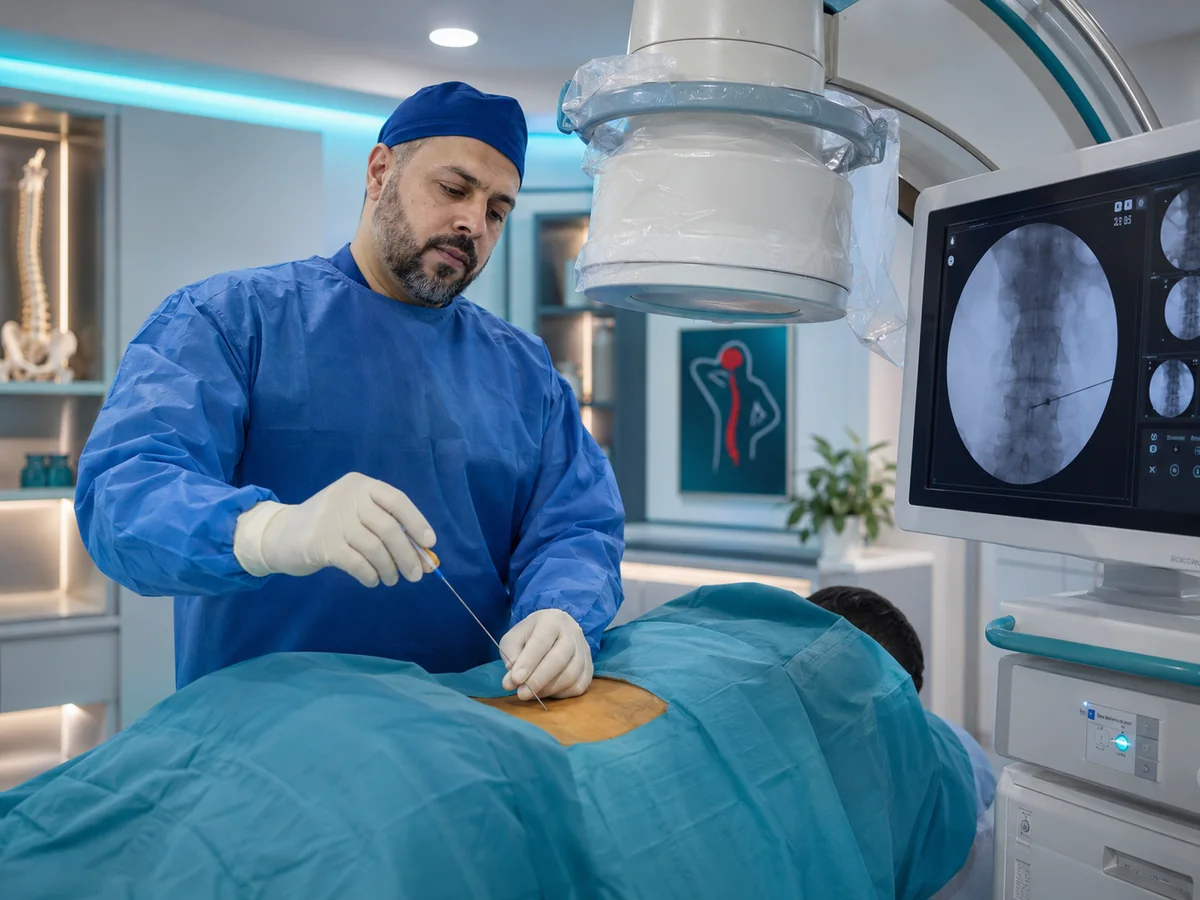
Guided injections and radiofrequency for back, neck and joint pain
Learn more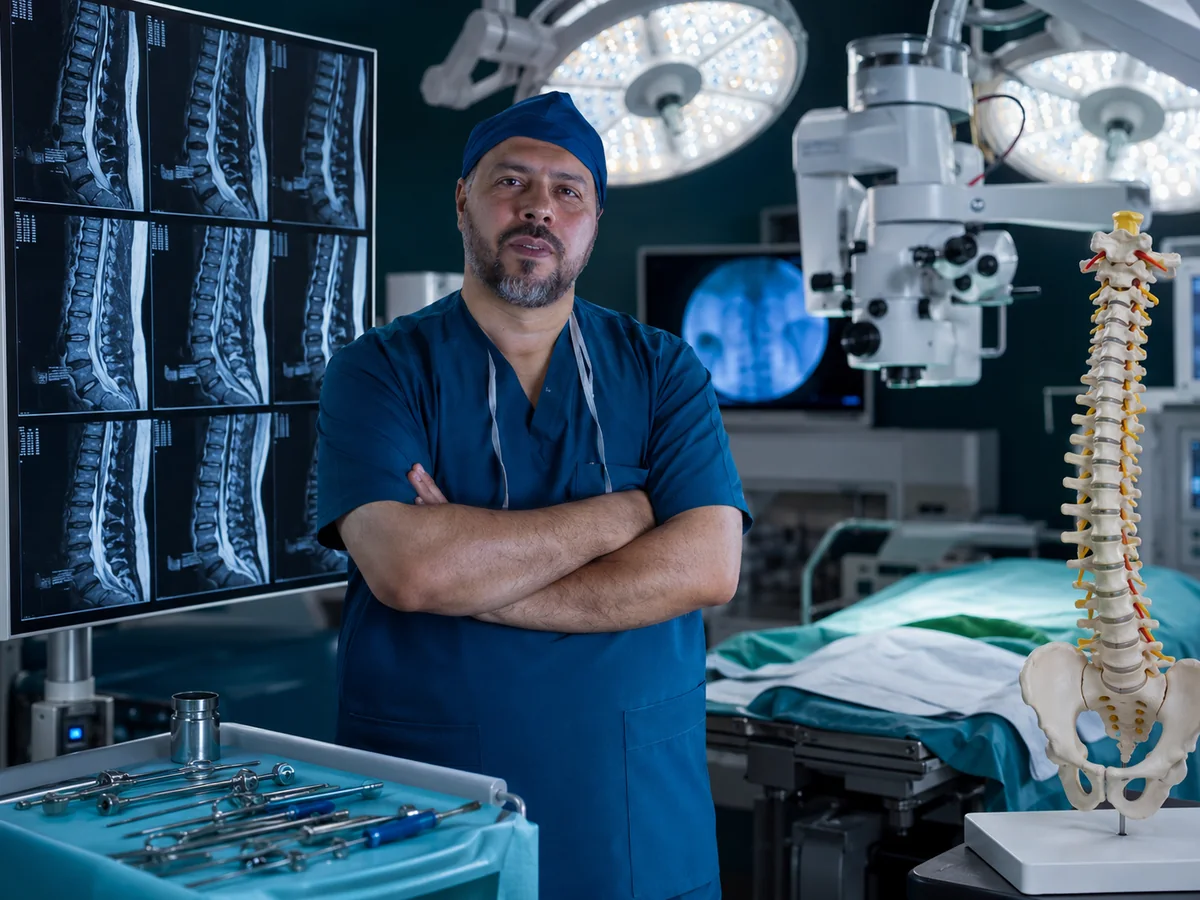
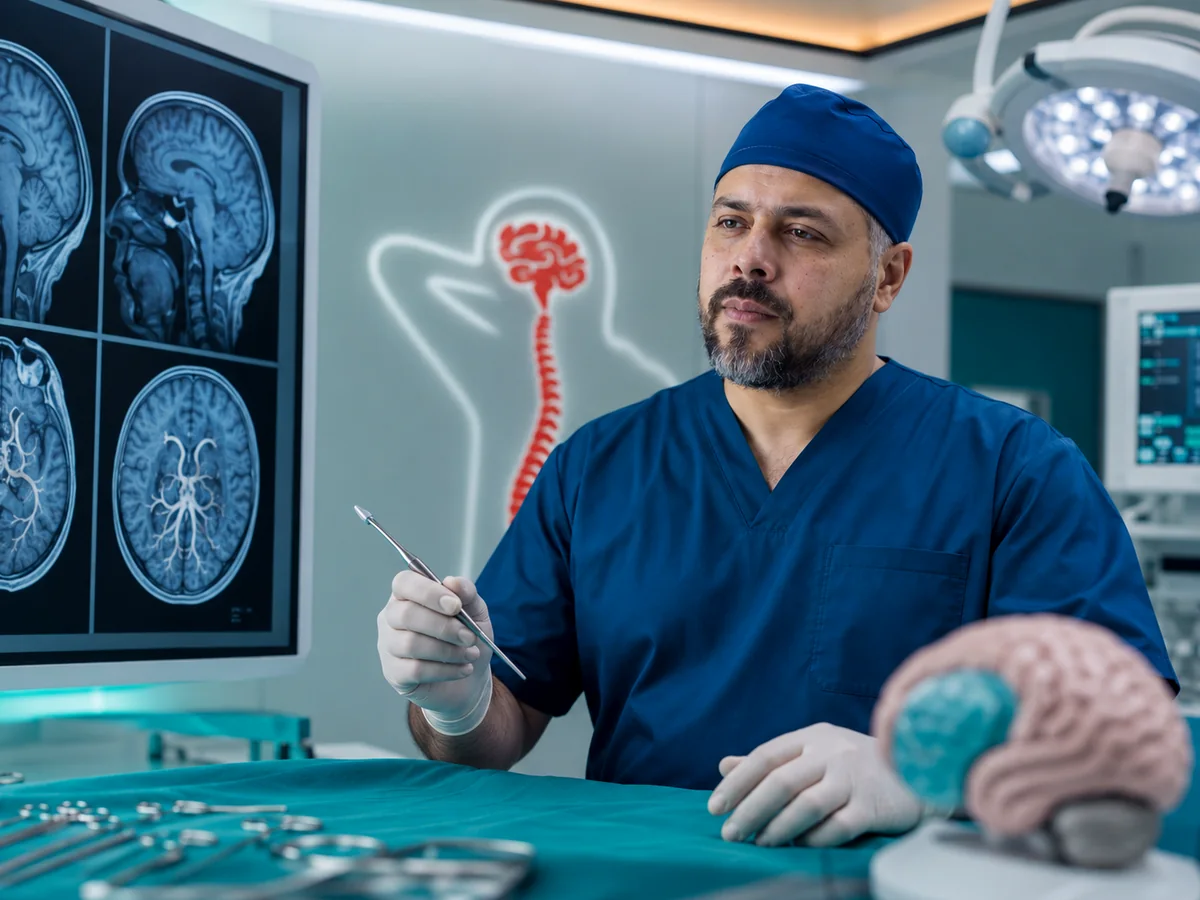
Call or message us on WhatsApp with your main complaint and the scans you have, and we will arrange a consultation with Prof. Mohamed El-Gaidi in Dokki.